REVIEW · KILLARNEY
Explore the Ring of Kerry & Skellig Ring in Style-Private Tour
Book on Viator →Operated by Kris M Tours · Bookable on Viator
This route stitches history to cliff views. It’s a private 7–8 hour drive around the Ring of Kerry and Skellig Ring, mixing big sea panoramas with real, local stories. I like the stress-free driving on roads that can be tricky, and I like how each stop adds a different layer, from bog-life at Kerry Bog Village Museum to the Atlantic telegraph breakthrough on Valentia Island.
One thing to budget for: some of the best stops charge extra admission, including Kerry Bog Village Museum (€5 per person), Geokaun Mountain and Cliffs (€6 per car), and Kerry Cliffs (€5 per person) (plus Derrynne House).
In This Review
- Quick hits on the Ring of Kerry and Skellig Ring
- Why this private Ring of Kerry + Skellig Ring combo is worth your day
- Kerry Bog Village Museum: bog-life cottages and Ireland’s giant wolfhounds
- Cahergall Fort near Cahersiveen: a 7th-century defended farmstead
- Valentia Island Telegraph Field: the first real Atlantic messaging revolution
- Geokaun Mountain and Fogher Cliffs: 360-degree ocean views, plus sea-cliff drama
- Portmagee: fishing village color, then an optional lunch reset
- Kerry Cliffs + Cúm an Easpaig: see Skelligs and Puffin Island from above
- Skelligs Chocolate Factory and Café: the sweet break that actually adds value
- Ballinskelligs Castle: pirates, tariffs, and an octagonal tower
- Waterville and its telegraph ties: golf town energy with serious history underneath
- Com an Chiste, Sneem, and Moll’s Gap: passes and villages with real character
- Ladies’ View and Torc Waterfall: the classic Killarney payoff
- Price and what you’re actually paying for ($714.91 per group)
- Getting the most from your day on this route
- Should you book this private Ring of Kerry & Skellig Ring tour?
- FAQ
- How long is the Ring of Kerry & Skellig Ring private tour?
- What is the group size for this private tour?
- Where does pickup take place?
- What time does the tour start?
- Is admission included for all stops?
- Are there any things included besides the transportation?
- How do I get my ticket?
- What language is the tour offered in?
- Can I cancel and get a full refund?
Quick hits on the Ring of Kerry and Skellig Ring
- Private group up to 5 means you’re not stuck staring at the back of someone else’s head on a coach.
- Hotel-area pickup is possible around Killarney and Kenmare, but you’ll need to reconfirm your details.
- Atlantic telegraph history shows up twice, with Valentia Island’s cable story and later telegraph ties in Waterville.
- Multiple viewpoint stops stack the best angles: Geokaun, Kerry Cliffs, Cúm an Easpaig, Ladies View, and more.
- Kerry Bog Village Museum adds a very human touch, plus the chance to meet the wolfhounds.
- Chocolate factory + café is a practical break when the wind off the water starts biting.
Why this private Ring of Kerry + Skellig Ring combo is worth your day
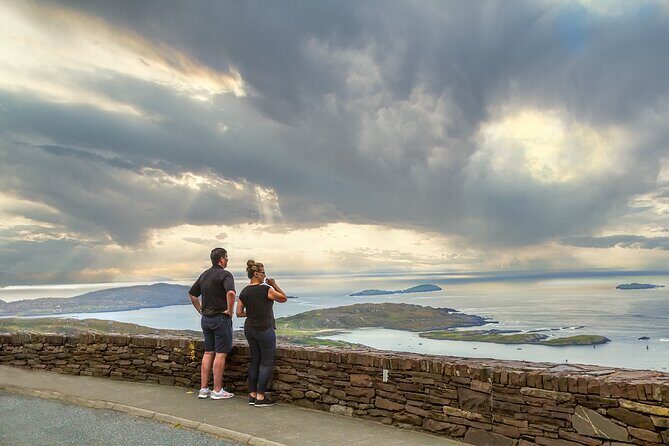
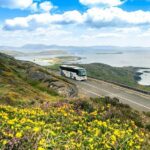
The Ring of Kerry is famous, and the Skellig Ring is the quieter cousin that still feels wildly scenic. Doing them in one day is a lot, but it makes sense when you’re in a private vehicle. Instead of planning multiple trips, you get one smooth rhythm: drive, stop, walk a little, and move on before you lose the light.
I also appreciate the pace. Even when the stops are short, you’re not forced to race from one “must-see” to the next. The tour is designed for flow—so you can actually look out at the Skellig Islands and Puffin Island without your brain being stuck in logistics mode.
And yes, the “private” part matters here. This is the kind of driving where knowing the route helps, and where traffic and narrow roads can turn a sightseeing plan into a small headache. With Kris M Tours handling the driving, you spend your energy on the good stuff: views, history, and the little roadside moments you’d otherwise miss.
You can also read our reviews of more private tours in Killarney
Kerry Bog Village Museum: bog-life cottages and Ireland’s giant wolfhounds
Your day starts with Kerry Bog Village Museum, an open-air look at how people lived and worked in the late 19th century. It’s not just a collection of buildings; it’s a way to understand how Ireland’s boglands shaped daily life. You’ll see thatched cottages, farm equipment, and how turf cutting fit into the local economy and survival.
One of the most memorable details is the history and legends tied to the area—there’s storytelling around things like the famine and the land wars, plus the Kerry Bog Pony. If you like places that feel grounded (not just “pretty and old”), this one delivers.
Then there’s the bonus: the museum has two Irish Wolfhounds, described as the world’s tallest dogs. You can pet them and take pictures. Even if you’re not a dog person, it’s an instant mood boost after the morning drive.
Practical tip: the museum is open daily from 9:30 am to 7:30 pm (subject to weather), but your visit on this tour is limited, so I’d focus on the cottages and the main story areas first. The entrance fee is €5 per person and isn’t included.
Cahergall Fort near Cahersiveen: a 7th-century defended farmstead
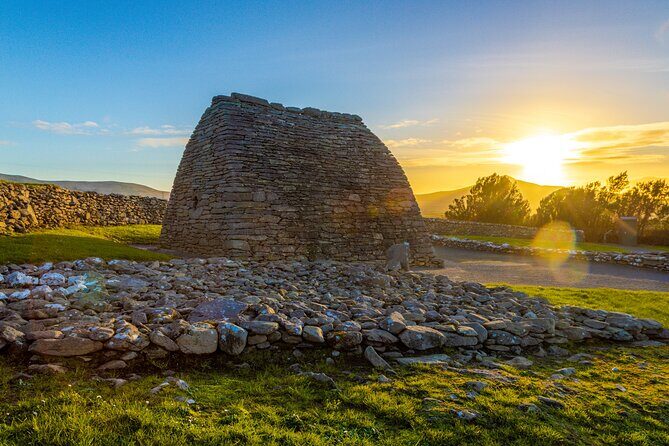
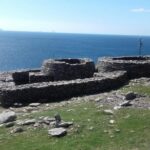
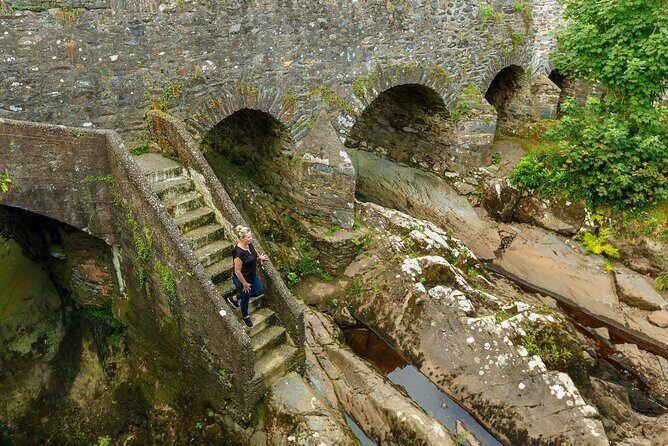
Next up is Cahergall Stone Fort, a circular ringfort and National Monument that dates to around the 7th century AD. It’s the kind of site where the structure helps you “get it.” The fort has a circular layout with an internal diameter of 25 meters, and the walls are about 4 meters high and roughly 5 meters thick.
What I like here is the dry-stone construction—no mortar holding the stones in place. That’s a detail you can actually notice when you look closely, and it makes the fort feel more real than the word ruins.
Inside, there’s space that suggests it was built as a defended farmstead for a local chieftain or noble family. Likely uses included protecting livestock and crops from raiders, and possibly serving ceremonial or religious purposes too. The views from the fort area also give you a sense of why people picked this spot—coast and countryside spread out with the islands of Beginish and Valentia visible in the region.
Good news: it’s free admission, and you’ll typically get about 30 minutes to soak it in.
Valentia Island Telegraph Field: the first real Atlantic messaging revolution
If you like history that changes how the world worked, the Telegraph Field on Valentia Island is one of the strongest stops of the day.
This site connects to a major achievement: in 1866, a submarine electric cable created the first permanent trans-oceanic communication link between Europe and North America, allowing messages to travel instantly and accurately across the Atlantic. The project was initiated by Cyrus West Field, an American businessman, and it involved ships and engineers laying the cable underwater.
An earlier attempt in 1858 worked briefly, but the cable broke after a few weeks. More attempts failed until 1866, when the SS Great Eastern—the largest ship at the time—managed to lay a durable cable from Valentia Island to Heart’s Content in Newfoundland, Canada.
Even with a short stop, you can leave with a clearer sense of why people still talk about this part of Ireland as a turning point in global communication. Admission is free and your time here is usually around 15 minutes, which is about right for reading the key context and getting your bearings.
Geokaun Mountain and Fogher Cliffs: 360-degree ocean views, plus sea-cliff drama
After the telegraph story, you get the reward: high viewpoints on Valentia Island. Geokaun Mountain is the highest point on the island, and from the summit you get a panoramic view that can include the Atlantic Ocean, the Skellig Islands, the Dingle Peninsula, and the Kerry Mountains.
This stop is also built for slow looking. You can walk or drive up, and you’ll have access to a series of information panels along the way—over 50—with wildlife, sea birds, Irish mythology, and Skelligs-related context.
On the north face is the Fogher Cliffs, sea cliffs about 600 feet high. It’s one of those places where the height makes you pay attention to the wind and the edges. The good news is the area is set up for visitors, with toilets, a gift shop, and a café on site.
Admission is not included here: €6 per car. And your stop is usually around 45 minutes, which fits well if you want to get photos and do a bit of walking without draining the rest of the day.
Practical tip: bring a layer. The cliffs can feel much colder than the towns you pass through.
Portmagee: fishing village color, then an optional lunch reset
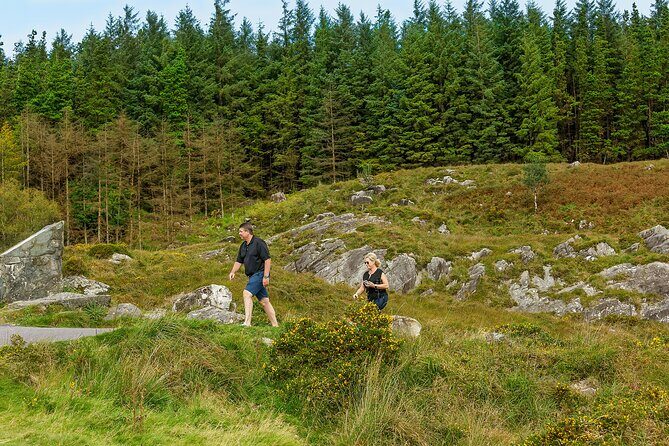
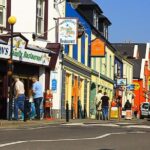
Portmagee is a small, charming village along the Iveragh Peninsula, part of the Ring of Kerry area. It’s known for colorful houses and its fishing heritage—exactly the kind of place where you can pause and feel the “working town” vibe for a moment.
This is also where the tour gives you a chance for lunch. You’ll typically get around 45 minutes for an optional lunch break. In real terms, this is valuable because it stops the day from turning into nonstop browsing.
If you’re hungry, plan to use this time. If you’re not, you can still do a short wander and enjoy the water-adjacent atmosphere before heading toward the bigger cliff viewpoints.
Kerry Cliffs + Cúm an Easpaig: see Skelligs and Puffin Island from above
Two different cliff-style viewpoints hit the day: Kerry Cliffs and Cúm an Easpaig.
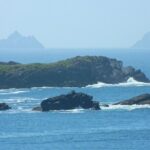
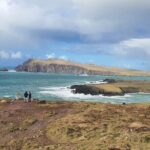
At Kerry Cliffs near Portmagee, you look out from over 1,000 feet high. It’s a straightforward viewpoint setup with parking and access to the viewing area, plus toilets, a gift shop, and a café. The Skellig Islands and Puffin Island can be part of the view depending on the day’s visibility.
These cliffs also come with a geology story: they’re over 400 million years old and were formed in a desert environment. You’ll see rock layers that help explain why this part of the coast looks the way it does.
Kerry Cliffs admission isn’t included: €5 per person.
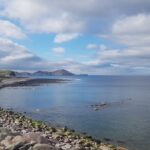
Then there’s Cúm an Easpaig (Cliff View), located on the north coast of the Iveragh Peninsula opposite Valentia Island. It’s a peak for panoramic views—Atlantic Ocean, Skellig Islands, Dingle Peninsula, and Kerry Mountains. You can walk or drive to the summit, and the stop is typically shorter—about 15 minutes—which makes it a good “photo hit” point.
Practical tip: these two stops together are what make the day feel like a true “sea views” highlight, not just a drive. If weather turns, the order matters—try to treat the higher viewpoint stops like your priority for peak visibility.
Skelligs Chocolate Factory and Café: the sweet break that actually adds value
Some tours treat the shop stop like a filler. This one is different because it connects food to the region.
Skelligs Chocolate and Café is on the Skelligs Ring route. You can watch open-plan chocolate production, taste free samples, and ask staff questions about ingredients and techniques. If you’re traveling with kids, this is one of those stops that doesn’t feel like a punishment—more like a fun pause that keeps energy up.
The factory admission is free, and the café is open from Easter to September. Your time here is usually about 30 minutes.
Even if chocolate isn’t your thing, it’s still a practical reset from salt air and wind. And if you do like sweets, you’ll leave with something giftable.
Ballinskelligs Castle: pirates, tariffs, and an octagonal tower
Ballinskelligs Castle (listed as McCarthy Mor Tower House / Ballinskellig Castle) adds a different type of history—power, protection, and trade.
The castle dates to the 16th century and was built by the MacCarthy Mór family, who were powerful chieftains and kings of Munster. This place was positioned to protect the bay from pirates and to charge a tariff on incoming trade ships.
Today it’s a ruin, but the features are still clear: an octagonal tower, battlements, and vaulted rooms. Even from a quick visit, you can get the sense that this was a serious defensive site, not just a fancy residence.
Admission is listed as free, and you’ll usually get around 30 minutes here.
Waterville and its telegraph ties: golf town energy with serious history underneath
Waterville is a coastal village with a reputation for golf, food, culture, and outdoor activities like fishing, hill walking, cycling, and star gazing. It also has a history tied to transatlantic communication, including a telegraph station connected to Europe and North America in the late 19th and early 20th centuries.
If you want a name to remember, the tour points to the Tech Amergin Arts and Education Centre as a place tied to this story. The stop itself is often about 30 minutes, which is enough to stretch your legs, get photos, and absorb the village feel.
Admission here is listed as free.
Com an Chiste, Sneem, and Moll’s Gap: passes and villages with real character
The middle of the Ring is where the drive turns into “pause and look.” You’ll pass through and stop for viewpoint moments and small town textures.
- Com an Chiste Pass gives views over Kenmare Bay and the MacGillycuddy’s Reeks mountains. It’s quick—about 15 minutes—but it does the job of resetting your eyes after other stops.
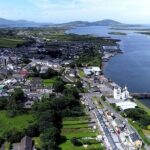
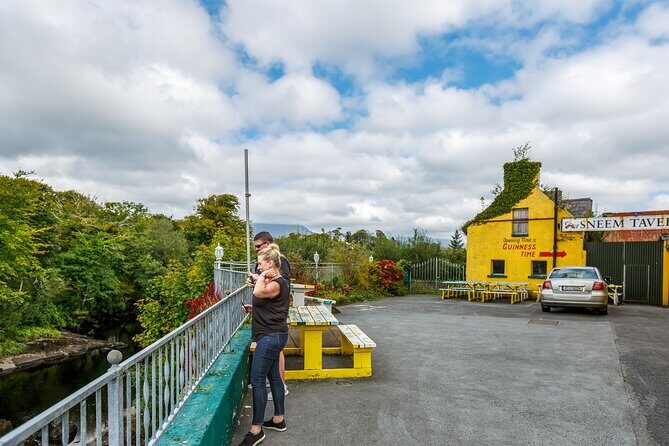
- Sneem is a picturesque village on the estuary of the River Sneem into Kenmare Bay. The Irish name is linked to An tSnaidhm, meaning knot, with an explanation about the village’s layout and a bridge connecting two squares.
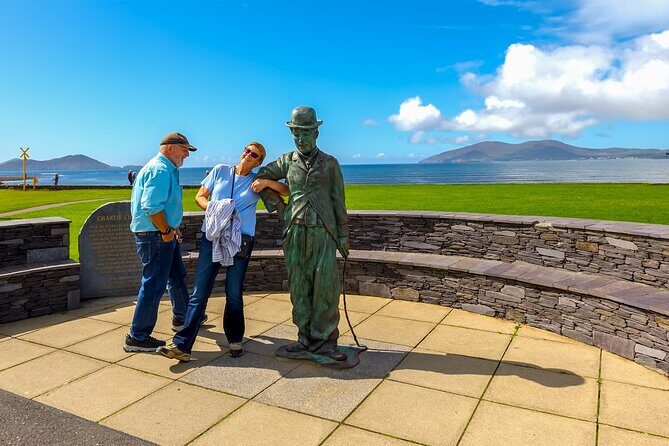
- Sneem also has a notable marker: Charles de Gaulle visited in 1969, and there’s a monument dedicated to him in North Square.
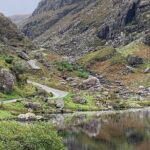
- You’ll also likely stop at Moll’s Gap, a mountain pass on the N71. It’s named after Moll Kissane, who ran a shebeen in the 1820s while road construction was happening and made poitín for the workers.
These stops are short, but they matter because they keep the day human-sized. Instead of only staring at cliffs, you get a sense of where people actually live around this route.
Ladies’ View and Torc Waterfall: the classic Killarney payoff
Once you swing back toward Killarney National Park, you get two strong “why this region became famous” stops.
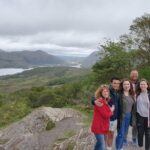
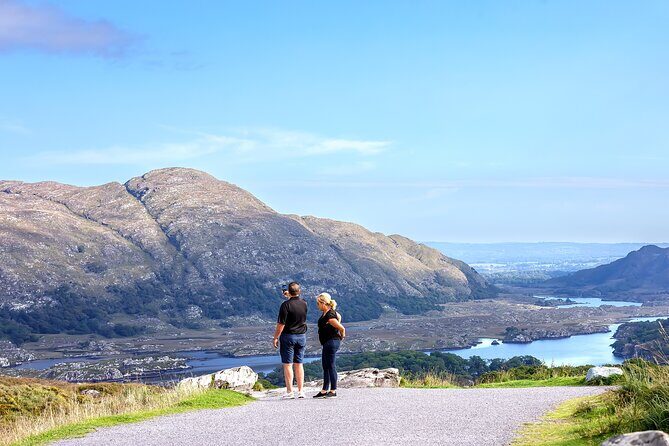
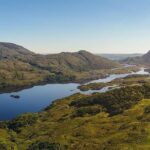
Ladies’ View is one of the most photographed spots on the Ring of Kerry. The story tied to its name goes back to Queen Victoria’s visit to Ireland in 1861. The view impressed her ladies-in-waiting, who stopped for a picnic there—so the viewpoint became known as Ladies’ View. You’ll typically have about 30 minutes, which is plenty time to take photos and just stand there.
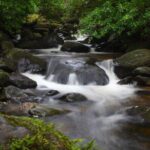
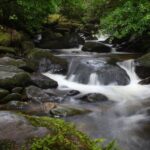
Next is Torc Waterfall, at the base of Torc Mountain. It’s formed by the Owengarriff River, fed by the Devil’s Punchbowl lake on the top of the mountain. The waterfall is listed as 20 meters high and 110 meters long, so it’s not a tiny trickle. There are also Irish legends connected to the area, including a story about a man cursed by the Devil to turn into a boar at night, and a tale involving Fionn MacCumhaill and a magical boar.
Your time here is usually about 30 minutes, and admission is listed as free.
Practical tip: wear shoes with solid grip. Even if you don’t do a long walk, the ground near waterfalls can be damp.
Price and what you’re actually paying for ($714.91 per group)
This tour costs $714.91 per group for up to 5, lasting about 7 to 8 hours. That can sound steep until you do the math and compare it to what you’d spend in time and stress if you drove yourself—especially on roads that can be narrow, curvy, and not designed for sightseeing stops.
Here’s what that price covers (and why it matters):
- Private transportation in an air-conditioned vehicle
- Bottled water
- A day with a clear route and stops that don’t require you to fight with navigation and parking
- The ability to keep a steady rhythm across the Ring of Kerry and Skellig Ring rather than jumping between separate day plans
What’s not included are admissions for specific attractions. You should plan for extra fees at places like:
- Kerry Bog Village Museum (€5 per person)
- Geokaun Mountain and Cliffs (€6 per car)
- Kerry Cliffs (€5 per person)
- Derrynne House (admission not included)
So the real question isn’t only the price tag. It’s whether you value the time you save and the smoother day you get for a group of up to five. If you’re traveling as a family or a small group, this is often where private tours stop feeling like a splurge and start feeling smart.
Getting the most from your day on this route
Because the route includes several viewpoints and short stops, your best strategy is simple: pack for weather, keep your photo expectations realistic, and treat each stop as a focused “moment,” not a long museum day.
Bring:
- A warm layer for the coast and cliffs
- Comfortable shoes for any walking around viewpoints
- A small amount of cash or card for admissions that aren’t included (especially Kerry Bog Village, Geokaun, and Kerry Cliffs)
Also, give yourself permission to skip “extra walking” when you can feel wind and cold. The best views are often the ones you can reach and then enjoy without rushing.
Should you book this private Ring of Kerry & Skellig Ring tour?
If you want a day that covers a lot of ground without feeling chaotic, I’d book it. It’s a strong fit for families and small groups because it’s private, flexible, and built around short, meaningful stops. The payoff is especially good if you care about more than just photo ops—this route mixes cliffs with forts and Atlantic communication history, plus a fun food break at Skelligs Chocolate.
If you’re on a tight budget and you’d rather pay only for entrances you personally choose, then you’ll want to budget for the extra admission fees at key stops. Also, because the duration is around 7–8 hours, it’s not a “slow and lingering” experience.
But if you want to reduce stress, see a lot, and come home with stories as well as photos, this is a very solid way to do the Ring.
FAQ
How long is the Ring of Kerry & Skellig Ring private tour?
It runs about 7 to 8 hours.
What is the group size for this private tour?
It’s private for your group, up to 5 people.
Where does pickup take place?
You can be picked up from around Killarney and Kenmare. The listed meeting point is Killarney Tourist Information Centre on Beech Road, Demesne, Killarney, Co. Kerry.
What time does the tour start?
The start time is 9:00 am.
Is admission included for all stops?
No. Admission fees are not included for Kerry Bog Village Museum, Geokaun Mountain and Cliffs, Derrynne House, and Kerry Cliffs.
Are there any things included besides the transportation?
Yes. Bottled water and private transportation are included, and the vehicle is air-conditioned.
How do I get my ticket?
You’ll receive a mobile ticket.
What language is the tour offered in?
The tour is offered in English.
Can I cancel and get a full refund?
Yes. You can cancel up to 24 hours in advance for a full refund. If you cancel less than 24 hours before the start time, the amount paid is not refunded.