REVIEW · WESTPORT
Belmullet Small-Group Walking Tour (AlchemyTours.ie)
Book on Viator →Operated by Neal Doherty - AlchemyTours.ie · Bookable on Viator
Belmullet packs big stories in two hours. I like the mobile ticket and instant confirmation, and I like how the walk ties the town to famous names like Jack Butler Yeats. One consideration: it’s an outdoor stroll in coastal weather, and you’ll want to come prepared so the day stays comfortable.
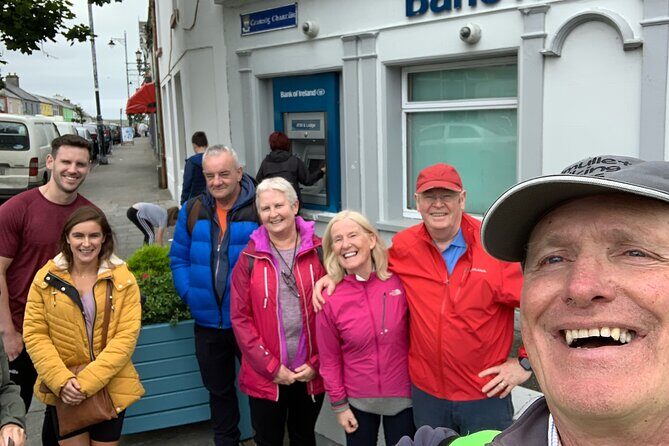
The vibe is small and friendly, with a maximum of 12 people. The experience starts at 11:00 am, meets in central Belmullet, and is led by Neal Doherty of AlchemyTours.ie, with Bill Duffy stepping in on some departures.
In This Review
- Key highlights worth aiming for
- Belmullet in two hours: what this walk really delivers
- Price and duration: a good-value 2-hour story walk
- Meeting in central Belmullet and keeping it simple
- Start time and pacing you should plan for
- Carter Square: the 1824 founding story that sets the tone
- Docks and Belmullet Canal (1845): where engineering meets local life
- Crossing back toward the old town wells
- The community hospital site: the workhouse and the Great Famine context
- Tallaght Road and the Prophecies of Brian Rua
- Blacksod Bay: the Children of Lir legend with a real place attached
- RNLI inshore lifeboat station: Armada shelter and Percy French
- Travis Price public art: Temple of the Tides of Time and the Bellmullet Bus Stop
- What to bring: so the 5,000 steps are enjoyable
- How good is the guide component?
- Who this tour suits best (and who might prefer something else)
- Should you book the Belmullet small-group walking tour?
- FAQ
- How long is the Belmullet Small-Group Walking Tour?
- Where does the tour meet?
- What time does the tour start?
- What is the price?
- Is the tour offered in English?
- How big is the group?
- What is included, and is bottled water provided?
- What happens if the weather is bad?
Key highlights worth aiming for
- Small-group pace (max 12): you can ask questions and actually hear the answers.
- Belmullet Canal built in 1845: you learn how it works and why the water direction matters.
- Jack Butler Yeats and other literary ties: local places get explained through the people who visited and wrote.
- Famine-era context at the workhouse site: history is handled with care and clear explanation.
- Coastal legends and maritime stories: Children of Lir, the Spanish Armada, and RNLI connections come alive.
- Travis Price public art stops: the Temple of the Tides of Time and the footbridge are part of the story, not decoration.
Belmullet in two hours: what this walk really delivers
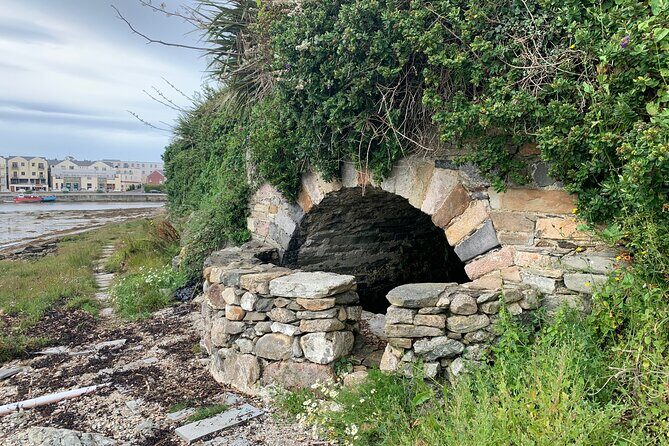
This is the kind of tour that helps you understand a place fast. You’re not just passing buildings. You’re moving through Belmullet’s story—town founding, canal engineering, famine-era hardship, and the legends that shaped how people talked about the sea.
I also like the way the guide keeps it human. You get names, dates, and locations, but the point is meaning: why Carter Square mattered, why the workhouse left a mark, and why Blacksod Bay still gets remembered. If you’re the type who enjoys local detail more than big-ticket sights, you’ll feel right at home.
You can also read our reviews of more walking tours in Westport


Price and duration: a good-value 2-hour story walk
The listed price is $24.03 per person for about 2 hours of walking. That’s a fair deal for a guided walk that covers multiple meaningful stops, including the canal area, the seaside, the RNLI inshore lifeboat station, and two public-art pieces by Travis Price.
What makes the value feel real is the structure. You’re not paying to wander. You’re paying to get a clear route, timely storytelling, and a guide who ties the stops together so each one adds up.
Meeting in central Belmullet and keeping it simple
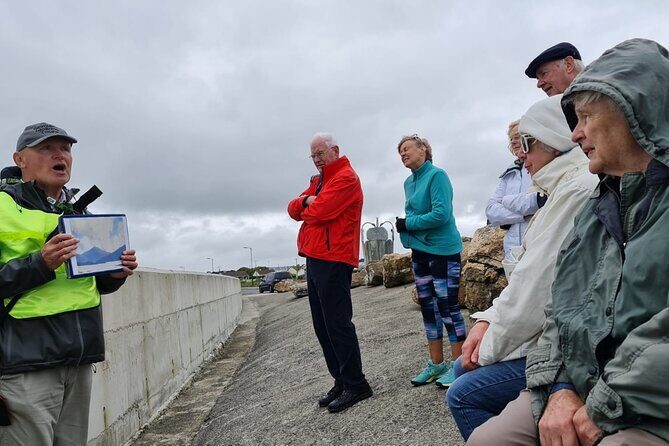
There’s no complicated scavenger hunt here. You book online, then get instant confirmation, and your ticket works on mobile. When the day comes, you meet in central Belmullet at an easy-to-find location—so you can spend less time searching and more time listening.
The group limit matters too. With up to 12 people, this is far less crowded than most bus-tour style sightseeing. You’ll hear the guide and you’ll have enough room to keep up without feeling rushed.
Start time and pacing you should plan for
The tour starts at 11:00 am. The walking totals around 5,000 steps by the end, which tells you the day is meant for movement, not long sit-down stops. If you’re comfortable with a couple of hours of walking (including some uneven outdoor paths near the canal and shore), you’ll be fine.
If you don’t enjoy walking in wind or light rain, bring a rain layer anyway. Coastal Mayo weather has a habit of changing its mind.
Carter Square: the 1824 founding story that sets the tone
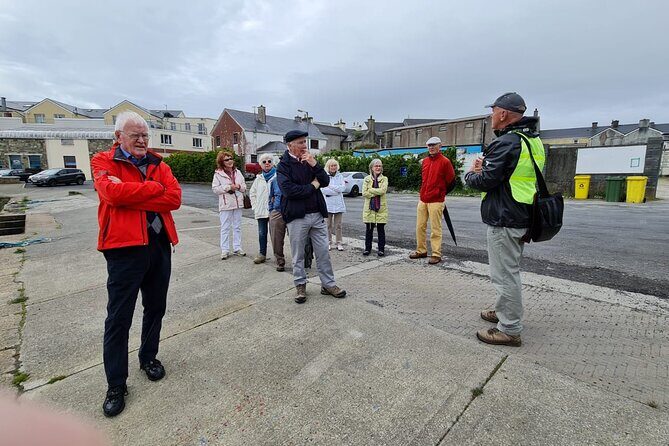
The walk begins at Carter Square. This is where the guide explains the founding of Belmullet in 1824 by William Carter, giving you the basic map of how the town grew from there.
This is also where the tour starts doing one of its best tricks: linking local geography to famous cultural figures. You’ll hear how visitors like JM Synge and JB Yeats connect to the town and its atmosphere. Even if you’re not a hardcore literature person, the stories help you see why certain places get remembered.
In plain terms, Carter Square gives you the why behind the where. By the time you reach the water, the town doesn’t feel random anymore.




Docks and Belmullet Canal (1845): where engineering meets local life
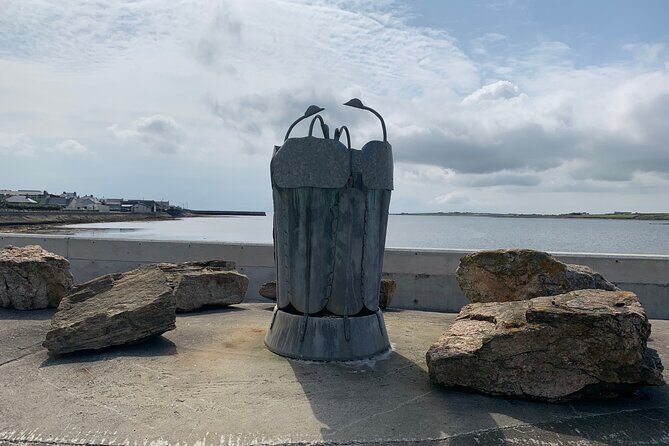
Next you head toward the docks and along the Belmullet Canal, built in 1845. You learn that the canal links Blacksod and Broadhaven Bays, and that the water always flows from Blacksod to Broadhaven.
That detail might sound small, but it changes how you picture the area. Canals aren’t just pretty straight lines. In places like this, they’re practical connections—routes for movement, trade, and daily life. The canal also helps explain why the sea and the town feel tightly linked instead of separate.
You’ll likely spot the physical cues immediately once the guide points them out: the canal’s layout, how it meets the docks, and how the water corridor shapes travel and viewpoints.
Crossing back toward the old town wells
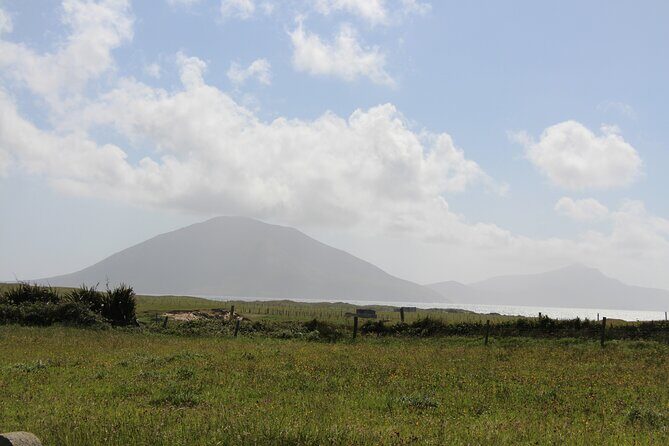
After you cross the canal via the new bridge, the tour moves to the sea shore to look at the old town wells, which were in use until the 1880s.
This stop is a good reminder that towns are built on basics. Water access mattered here. The story of the wells gives you a grounded sense of how people lived before modern services—especially in coastal regions where weather and sea conditions could affect day-to-day life.
It’s also a nice change of pace. You shift from canal thinking to shore listening: the wind, the sights, and the feeling of a place shaped by the Atlantic.
The community hospital site: the workhouse and the Great Famine context
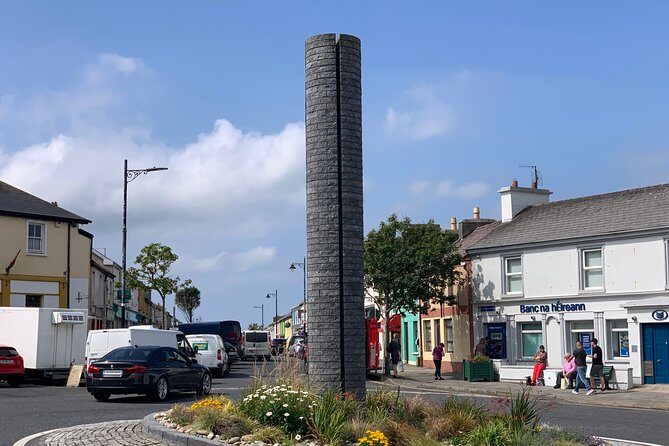
One of the heavier parts of the walk happens at the community hospital. The guide points out that this site was the location of the Belmullet Workhouse, built in the 1850s.
This is where the tour leans into context around the Great Famine. The workhouse stigma is explained in a direct, respectful way, so you understand why this wasn’t just an institution on paper—it was a real system that affected lives.
If you prefer your history tidy and light, you might find this stop emotionally weighty. But it’s also the kind of honesty that makes the rest of the tour land better. When you later hear legends tied to hardship and survival, you’ll get the deeper thread.
Tallaght Road and the Prophecies of Brian Rua
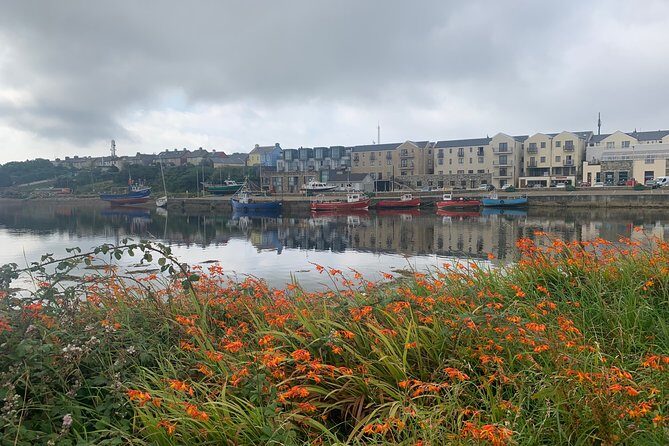
As you walk along Tallaght Road, you’ll see plaques connected to the Prophecies of Brian Rua, a 17th-century figure.
The fun here is in the challenge the guide sets up for you: you can look at what’s written, compare it to what happened over time, and see how many prophecies came true. Even if you don’t treat prophecy literally, the stop is still fascinating because it shows how belief and storytelling shaped how people interpreted events.
This section works especially well if you like puzzles. You don’t just hear facts; you get prompted to think.
Blacksod Bay: the Children of Lir legend with a real place attached
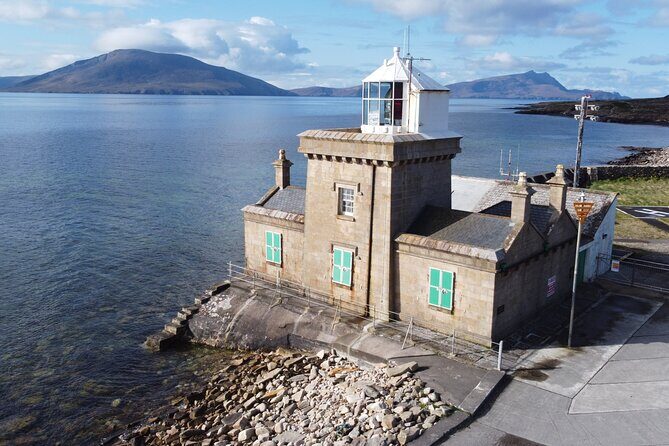
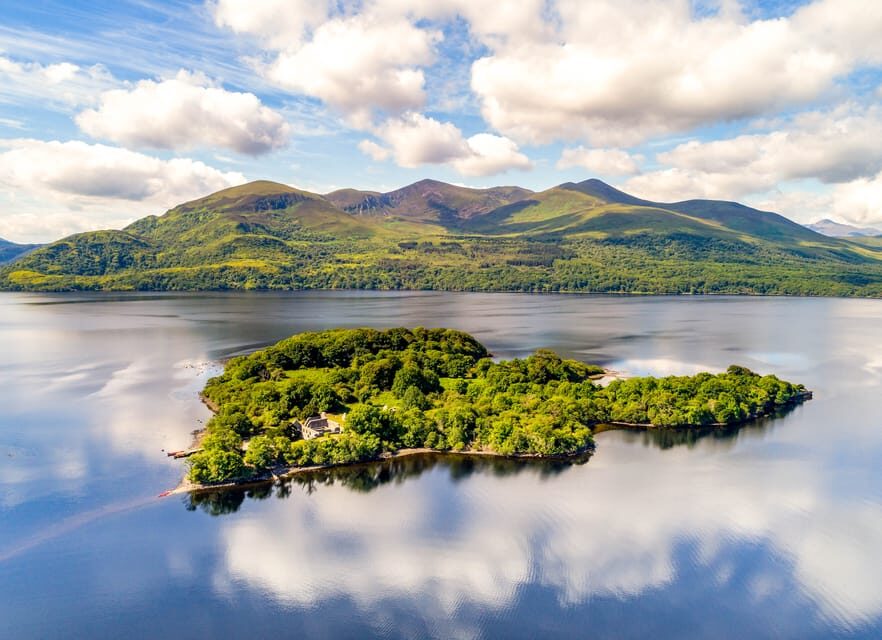
At Blacksod Bay, you hear the legend of the Children of Lir. The story says the children spent their last 300 years as swans on Inis Glóra, an island just off the coast of the Mullet Peninsula.
What I like about placing myth next to actual water is that it stops being abstract. You can stand at the bay and let the story make sense in your body, not just in your head. It’s the kind of stop that feels almost cinematic—because the setting does half the work.
If you enjoy Irish folklore, this is one of the tour’s most memorable segments.
RNLI inshore lifeboat station: Armada shelter and Percy French
The tour then reaches the RNLI inshore lifeboat station, where you get stories tied to ships that sought shelter from storms.
You’ll hear about the retreating ships linked to the Spanish Armada, which came into Blacksod Bay sheltering from stormy seas in September 1588. The sea here isn’t scenery. It’s part of survival.
There’s also a literary moment: a rendition of The Four Farrelys by Percy French. That blend—history plus culture—keeps the stop from feeling like a lecture. It gives the maritime story a voice, not just a date.
Travis Price public art: Temple of the Tides of Time and the Bellmullet Bus Stop
One quick turn toward modern creativity makes the tour feel current without losing the local thread. You’ll visit the installation The Temple of the Tides of Time by Travis Price.
Locals call this piece the Bellmullet Bus Stop, and the guide encourages you to form your own opinion. Public art can be polarizing, and this tour treats that as part of the experience rather than something to dismiss.
Then you finish by crossing the canal again via the stainless steel footbridge, also by Travis Price, returning to the Belmullet city centre to complete the walk.
By the end, the tour has done something clever: it started with the town’s founding and ended with contemporary interpretation of place. You leave with both the past and the present talking to each other.
What to bring: so the 5,000 steps are enjoyable
This is an active, outdoors-focused walk. The tour itself doesn’t list a bottled water inclusion, so I’d plan on bringing your own small bottle or filling up before you go.
My practical checklist:
- Comfortable walking shoes (coastal ground can be slick)
- A rain layer even if the forecast looks mild
- A light jacket if it’s breezy near the sea
- Water from home or a nearby shop since bottled water isn’t included
Also, if you’re sensitive to crowds, the small-group size will help. Still, it’s a group walk, so you’ll want to keep a steady pace.
How good is the guide component?
This experience lives or dies on the guide, and the best thing about the approach is how connected the storytelling is.
Neal Doherty is the listed provider for AlchemyTours.ie, and on some departures Bill Duffy has filled in. The guide I’m expecting you’ll remember is the one who doesn’t just recite. They answer questions, make connections between the stops, and help you understand why the town’s details matter.
That matters because it changes your take-home experience. Instead of seeing Belmullet as a place you visited, you’ll likely feel like you understand how it works—town, water, stories, and weather all linked.
Who this tour suits best (and who might prefer something else)
This is a strong fit if:
- You like local stories tied to specific places
- You want a walk that mixes literature, maritime history, and public art
- You’re visiting Belmullet for the first time and want an efficient orientation
- You have family roots in the area and want context for what the town was like in earlier times
It may be less ideal if you:
- Don’t enjoy walking for about 2 hours outdoors
- Want minimal weather exposure
- Prefer purely scenic sightseeing without historical context
Should you book the Belmullet small-group walking tour?
Yes, I’d book it if you’re aiming for a meaningful Belmullet introduction in a short window. The price is modest for what you get: a guided route across canal, shore, and key local sites, plus stories that connect names, legends, and real events.
If you’re on the fence, here’s the decision shortcut:
- If you’ll appreciate explanations and you like hearing how a town earned its identity, this walk is a great use of your time.
- If you just want quiet wandering or you dislike weather-dependent walking, consider a different kind of outing.
Either way, plan for the walking and bring your own water. With that small prep, you’ll get a tour that feels like Belmullet talking back to you.
FAQ
How long is the Belmullet Small-Group Walking Tour?
It runs for about 2 hours.
Where does the tour meet?
The tour starts in Belmullet, Co. Mayo, Ireland, and finishes back at the meeting point.
What time does the tour start?
The start time listed is 11:00 am.
What is the price?
The price is $24.03 per person.
Is the tour offered in English?
Yes, it’s offered in English.
How big is the group?
The tour has a maximum of 12 travelers.
What is included, and is bottled water provided?
All fees and taxes are included. Bottled water is not included.
What happens if the weather is bad?
This experience requires good weather. If it’s canceled due to poor weather, you’ll be offered a different date or a full refund.