REVIEW · DONEGAL
A Walk Through Time in Fort Dunree
Book on Viator →Operated by Solas Ireland Walks and Hikes · Bookable on Viator
Time travels fast at Fort Dunree. This short guided walk at Dunree Head ties together geology, clans, and modern warfare while you enjoy Lough Swilly and Wild Atlantic Way viewpoints.
Two things I really liked: the local guide approach, grounded in real ties to the fort, and the way the walk turns into a guided “time travel” story instead of a random collection of facts. You also get a Fort Museum ticket included, so the fun can continue at your own pace after the walk.
One thing to consider: the experience is weather-dependent, and the route is only about 2 km—so it’s usually fine, but you’ll want solid shoes and a head for uneven ground.
In This Review
- Key things I’d pencil into your plan
- Fort Dunree makes time feel close at hand
- Meeting at Dunree Head: what your 11:00 AM timing means
- The guided walking loop: a simple route with big payoff
- Stop 1: Fort Dunree Military Museum as your “base layer”
- Ice Age to first settlers: why the timeline starts at the water’s edge
- The McLaughlin clan era: power, place, and local identity
- Napoleonic defense and later World Wars: what you can picture while walking
- Nature notes aren’t filler on this coast
- Wild Atlantic Way viewpoint time: plan for photos, not speed
- Fort Museum admission: use it to fill in the gaps
- Price and value: why $23.66 can make sense
- Who this walk is perfect for (and who might want to skip)
- Small details that matter more than you think
- Should you book A Walk Through Time in Fort Dunree?
- FAQ
- How long is the guided walk at Fort Dunree?
- How far is the walking route?
- What’s included in the ticket price?
- What language is the tour offered in?
- What’s the maximum group size?
- Where does the tour start?
- Is cancellation free, and what’s the cutoff?
- What happens if the weather is poor?
Key things I’d pencil into your plan
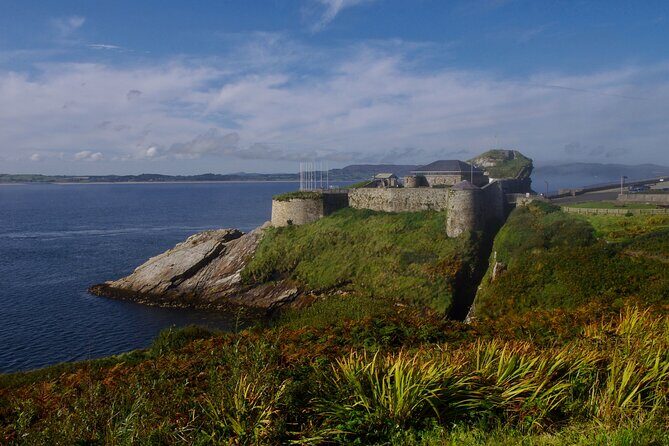
- A 1-hour guided walk focused on Lough Swilly and Fort Dunree
- A local guide with personal connection to the site (including family links)
- Major time jumps from the Ice Age to early inhabitants, the McLaughlin clan, and defenses up through the World Wars
- A ~2 km route that adds local flora and fauna context, not just military stories
- Fort Museum admission included, so you can linger after the walk
- Small group size (max 20), which helps keep the experience personal
Fort Dunree makes time feel close at hand
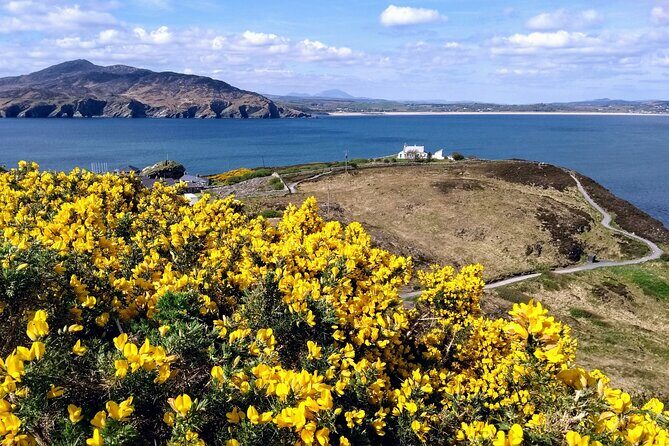
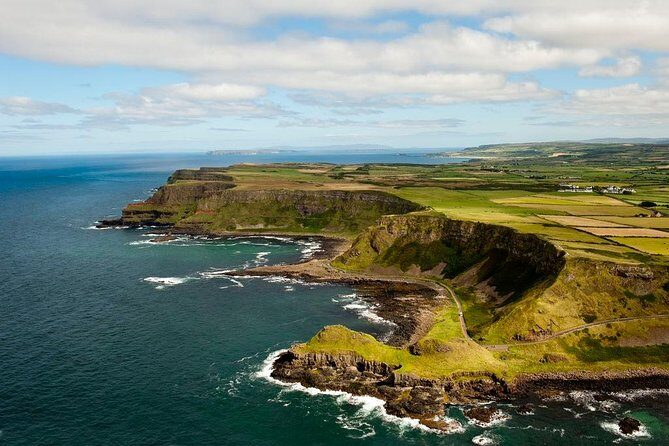
Fort Dunree sits on Dunree Head in Donegal, and the setting does half the work for you. You’re on the Wild Atlantic Way, with big coastal views over Lough Swilly, so the history doesn’t feel like it’s trapped behind glass. The guide builds the timeline while you’re standing in the same general places where people once watched the water and planned for threats.
I also like that the tour doesn’t try to cram in everything. In about an hour, you get a focused story arc: what the area was like long before people arrived, how early inhabitants connected to the landscape, why the McLaughlin clan mattered locally, and how the fort’s strategic role shifted from Napoleonic tensions to the World Wars.
That pacing is part of the value. You leave with clear mental images and a handful of details you can actually remember the next day—especially if you’re moving on to other stops around Lough Swilly.
You can also read our reviews of more walking tours in Donegal
Meeting at Dunree Head: what your 11:00 AM timing means
The tour starts at 11:00 am at Dunree Head. The meeting point is listed near the Dunree Head area (you’ll find it at the Dunree Head meeting location given for the experience). It ends back at the same meeting point, so there’s no stress about transit afterward.
Because this is a 1-hour guided walk, timing matters. If you’re hopping between sites in Donegal that day, treat this like a fixed anchor: arrive a little early, use the time to get oriented, and then settle into the story. The tour description also notes you’re near public transportation, which is helpful if you don’t want to rely entirely on taxis.
Group size is capped at 20 travelers. That’s a sweet spot. It usually means you can hear the guide, and you’re not constantly being pushed along by the crowd.
The guided walking loop: a simple route with big payoff
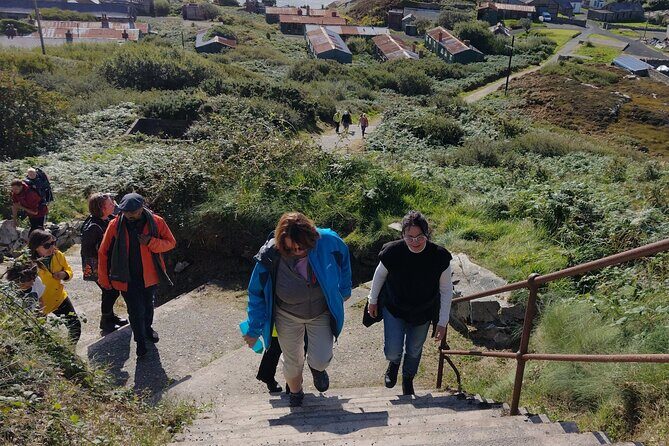
Even though the whole tour is about an hour, the route is around 2 km. That makes it doable for many people, but it’s not a flat stroll on perfect pavement everywhere. Expect some uneven ground near coastal viewpoints and fort areas—so bring shoes you’d be comfortable walking in for a short hike.
What I find smart here is how the walk alternates between movement and pauses. You’re not just marching from one fact to another. You’ll get regular chances to look out over the water—Lough Swilly and the Wild Atlantic Way viewpoints show up throughout—so the scenery becomes part of the lesson.
Also, the guide includes nature context. The tour notes insight into local flora and fauna, which matters because coastal Donegal has its own rhythms. Even when the story is military, you’re still reading the land the way locals would—what grows here, what survives the wind, and what signals season or exposure.
Stop 1: Fort Dunree Military Museum as your “base layer”
The walk centers on the Fort Dunree Military Museum. Think of it as the “base layer” where the guide can connect the human story to the site itself.
You’re touring with a qualified local guide who has a strong personal connection to the fort. In one example from a past tour, the guide was Sharon, and the review specifically highlighted her family ties to Fort Dunree plus her passion for the surrounding area. That kind of connection tends to change the tone of the tour. Instead of a script, you get story-shaped explanations—why certain details matter, what people used to watch for, and how the fort fits into the wider geography.
The museum component is practical too. Your ticket includes admission, and you can enjoy it at your leisure. That’s a big deal because it gives you flexibility. If you want to take a slower pass through exhibits after the walk, you can. If you prefer to linger outside while the light is good, you can do that too.
Ice Age to first settlers: why the timeline starts at the water’s edge
One of the most interesting parts is how the tour begins at the end of the last Ice Age, then moves toward the arrival of the first inhabitants. That opening isn’t just a fun trivia lead-in. It helps you understand why this coastline shaped settlement patterns in the first place.
When glaciers recede and landscapes change, coastlines, harbors, and routes for travel shift over time. By starting with that long view, the guide sets up a key theme: this place has always been about survival and movement, not just about wars.
Then the story turns to early human presence. Even on a short walk, you’ll get a sense that people didn’t choose this area randomly. They chose it because it fit their needs—access to resources, defensible positions, and a workable relationship with the sea.



The McLaughlin clan era: power, place, and local identity
After the deep-time framing, the tour moves into a more local, human scale: Dunree’s reputation as a royal seat of the McLaughlin Clan. This part helps you see how power works at a regional level.
Instead of treating the fort as an isolated structure, you start viewing it as part of the social landscape. A “royal seat” isn’t just a title—it implies organization, authority, and the need to project control over land and movement. In coastal Donegal, that naturally connects to the wider environment, especially Lough Swilly and access along the Wild Atlantic Way.
If you like tours that connect the dots rather than tossing out dates, this segment is a strong fit. It gives you a reason for the fort’s importance beyond later military chapters.
Napoleonic defense and later World Wars: what you can picture while walking
The tour then bridges into strategic and defensive importance during the Napoleonic era, and later during the First and Second World Wars. That jump can sound like a lot for an hour—but the advantage of a walk is that you can physically imagine sightlines and approach routes.
When you’re standing on Dunree Head, you naturally start thinking in terms of what a lookout would see. The water, the angles, the exposure to weather, and the line of sight across the bay all matter. The guide ties those practical realities to the fort’s role during different conflicts, showing how the threats changed while the need to monitor and defend remained.
This is also where the included museum admission can help. A walk gives you the big picture; the museum often fills in the details afterward, at whatever pace you prefer.
Nature notes aren’t filler on this coast
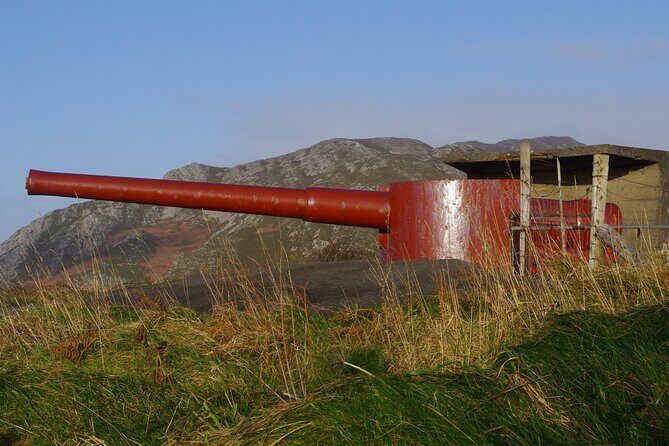
A lot of history walks forget the setting. This one doesn’t. The tour explicitly includes insight into local flora and fauna along the route, plus you get those wide, repeated coastal viewpoints.
So when the guide points out plant life or explains how the coastline supports certain species, it feels connected rather than tacked on. You’re learning how the land holds on under Atlantic weather. That’s not only interesting—it’s useful, because it changes how you “read” the scenery while you’re still walking.
And since the views of Lough Swilly and the Wild Atlantic Way happen throughout the walk, your brain keeps refreshing the same mental map. You get both story and geography. That combination is why this kind of short guided loop can stick better than a longer, information-heavy tour.
Wild Atlantic Way viewpoint time: plan for photos, not speed
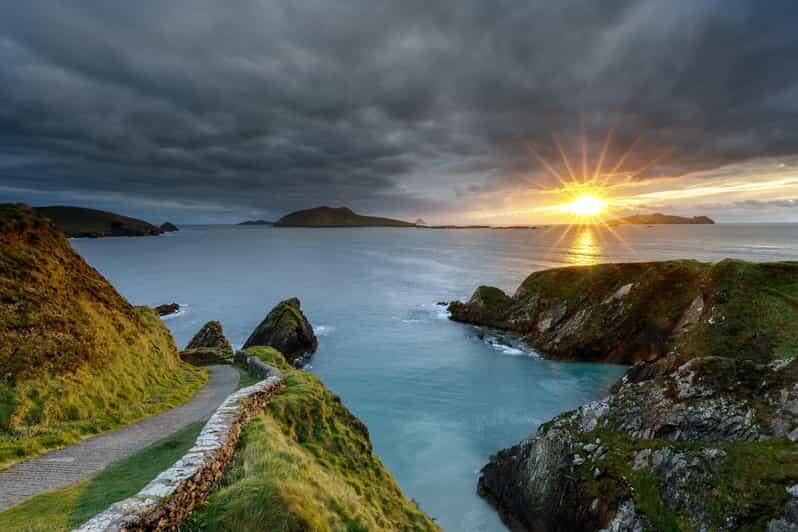
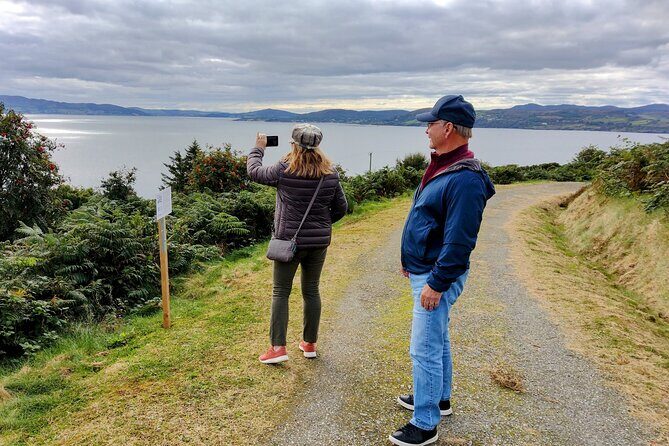
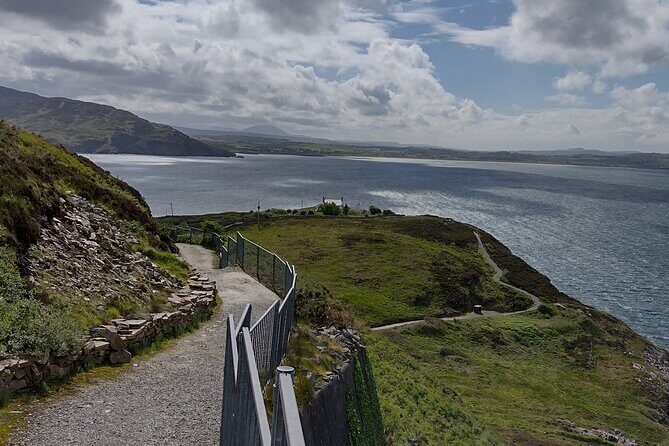
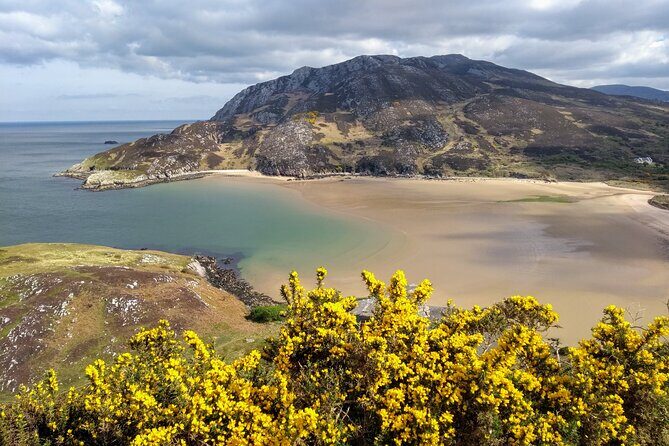
You’ll have stunning views of Lough Swilly and the Wild Atlantic Way throughout the tour, and Dunree Head is also a Wild Atlantic Way Discovery Point. In practical terms, that means the spot is built for you to notice big coastal features—not just pass through.
I recommend you slow down at the viewpoints. Yes, you’ll want photos. But more importantly, let yourself look longer than your phone needs. The fort’s strategic purpose makes more sense once you see how the sea sits in the scene: open water, sheltered reaches, and the way weather can turn an obvious plan into a risky one.
If your itinerary is tight and you usually “power through” stops, this is a rare case where the pacing is part of the experience.
Fort Museum admission: use it to fill in the gaps
Because admission to the Fort Museum is included, you’re not stuck wondering what you missed. After the guided walk, you can return to the museum space and spend time at your own speed.
This is a smart design for two kinds of visitors:
- If you love history, you can spend more time on exhibits after the tour story gives you a framework.
- If you prefer lighter learning, you can treat the museum like a browse stop—skim what grabs you, then head back out for coastal views.
Since the tour is about an hour, this built-in optional time can easily stretch your visit to something closer to “half a day,” without turning into a full-day commitment.
Price and value: why $23.66 can make sense
At $23.66 per person, you’re paying for a guided 1-hour walk with a local guide, a route of about 2 km, included Fort Museum admission, and scenic viewpoint time. For places that charge separately for guiding and entry, getting both in one ticket tends to be good value.
The real value lever here is time. You get a guided storyline you can’t easily reproduce on your own in a short window, plus museum access after. If you’re doing multiple stops along Lough Swilly and want one that offers both context and flexibility, this price point can feel fair.
And with a maximum group size of 20, you’re not paying for a massive herd. Smaller groups often mean better interaction and fewer moments where you can’t hear.
Who this walk is perfect for (and who might want to skip)
This tour fits best if you:
- Want a guided story more than a self-guided wander
- Enjoy scenic coastal views while learning how geography shapes events
- Prefer a short commitment—about an hour—plus museum time after
It may be less ideal if you:
- Need a fully paved, step-free walk (the route is described as a short walking route, and coastal ground can be uneven)
- Are looking for a long, deep museum session only (the guided part is 1 hour)
The good news: the tour notes that most travelers can participate, and service animals are allowed. So if you’re generally comfortable with light walking, you’re likely in the right zone.
Small details that matter more than you think
A few practical notes from the info you’re given before booking:
- Confirmation is received at the time of booking.
- You get a mobile ticket, so you don’t have to worry about printing.
- The tour is offered in English.
- The meeting and ending point is the same, which simplifies your day plan.
Weather matters here. The experience is listed as requiring good weather, and if it’s canceled due to poor conditions, you’ll be offered another date or a full refund. On the Donegal coast, that’s not a minor detail—it’s the difference between clear viewpoints and a flat, windy walk.
Should you book A Walk Through Time in Fort Dunree?
If you’re visiting Donegal and you want one activity that blends Fort Dunree Military Museum access, dramatic coastal viewpoints, and a clear timeline from Ice Age to World Wars, I’d say this is worth booking. The short 1-hour guided format is a smart fit for travelers who don’t want to spend the whole day in transit or in one building.
Book it if you like guides who can connect place to story, especially if you enjoy seeing how Lough Swilly and the Wild Atlantic Way shape what happened here. I’d skip it only if you’re trying to avoid any kind of walking on coastal ground or if you know your schedule can’t flex if weather cancels the day’s tour.
FAQ
How long is the guided walk at Fort Dunree?
The tour lasts about 1 hour.
How far is the walking route?
The route is listed as about 2 km.
What’s included in the ticket price?
Your ticket includes the guided tour plus admission to the Fort Museum.
What language is the tour offered in?
The tour is offered in English.
What’s the maximum group size?
The tour has a maximum of 20 travelers.
Where does the tour start?
The meeting point is listed at Dunree Head in County Donegal, and the tour ends back at the same meeting point.
Is cancellation free, and what’s the cutoff?
Yes, there’s free cancellation. You can cancel up to 24 hours in advance for a full refund.
What happens if the weather is poor?
If the experience is canceled due to poor weather, you’ll be offered a different date or a full refund.