REVIEW · FETHARD
Wexford: Hook Peninsula Sea Cave Kayaking Experience
Book on GetYourGuide →Operated by The Irish Experience · Bookable on GetYourGuide
Sea caves make this kayak trip feel cinematic. You paddle along Ireland’s Hook Peninsula past golden beaches, sea arches, and cliffs where wildlife shows up and the history sounds personal.
I especially like the fully guided setup, with experts who keep the group positioned safely around coastal hazards. I also love the practical inclusions, like a warm full-length wetsuit, safety gear, hot chocolate, and a mid-tour chocolatey snack.
One tradeoff to consider: it’s not ideal if you need accessible activities, and solo booking means you’ll typically share a double kayak with another participant.
In This Review
- Key things to love about Hook Peninsula sea cave kayaking
- Getting set up at Fethard-on-Sea, and what that means for your comfort
- Baginbun Beach: the safety briefing that turns nerves into skill
- Baginbun Head: scenic paddling with wildlife and seascape turns
- Entering the sea caves and arches: the main event
- Local seals and marine life: seeing wildlife without disrupting it
- The hidden cove break and the chocolatey snack boost
- Price and value: what $96 buys you in real terms
- What to wear, what to avoid, and the small choices that prevent misery
- Who should book this Hook Peninsula tour, and who should skip it
- Should you book the sea cave kayaking on the Hook Peninsula?
- FAQ
- How long is the sea cave kayaking experience?
- What’s included in the price?
- Do I need to bring my own wetsuit or kayaking gear?
- What should I wear?
- Is the tour suitable for kids?
- Can I book as a solo traveller?
- What’s the cancellation policy?
Key things to love about Hook Peninsula sea cave kayaking
- Expert guide leadership: you get pre-tour instruction and on-water coaching so you’re not guessing in tight spots
- Actual sea cave entry by kayak: you’re not just looking at caves from shore
- Warm wetsuit comfort: full-length gear helps you last through cooler Atlantic conditions
- Wildlife viewing from a distance: dolphins, basking sharks, sea birds, and seals can appear along the route
- Stories you can picture: battles and invasions are told right where they happened
Getting set up at Fethard-on-Sea, and what that means for your comfort
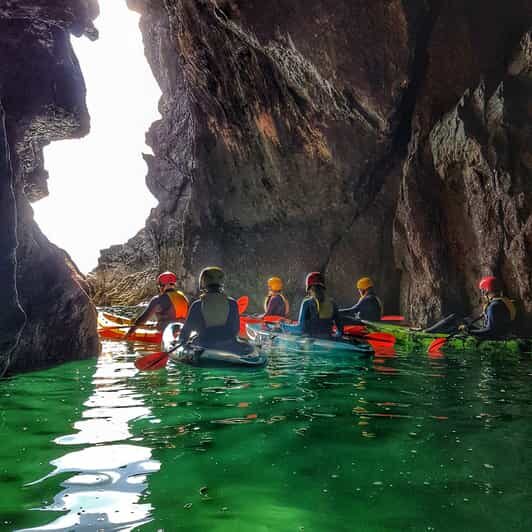
The trip starts in the center of the small village of Fethard-on-Sea, at the Big Green Building. You check in inside first, and the timing matters because late arrival can mean missing the tour. Plan to arrive at least 30 minutes early so you can get your gear sorted without stress.
This operator provides the essentials that make sea kayaking feel doable for most people. You’ll get all kayaking equipment and a warm full-length wetsuit, plus a local kayak guide who leads you through the paddling. If you’re worried about being cold, this is the big advantage: you’re not stuck deciding what to wear at the last minute.
One small but important detail: footwear isn’t included. You’re asked not to go bare-foot, and you can rent neoprene booties or get other wet-suitable footwear at check-in. If you have your own aqua shoes, great. If not, this is one area where spending a little makes a real difference once you’re on and off the water.
Also note that the kayaks are double kayaks by default. If you book solo, you’ll share the kayak with another participant, which can be totally fine but is worth mentally preparing for. It’s still one seat per person, so you’re not doing awkward solo control while someone else steers.
Baginbun Beach: the safety briefing that turns nerves into skill
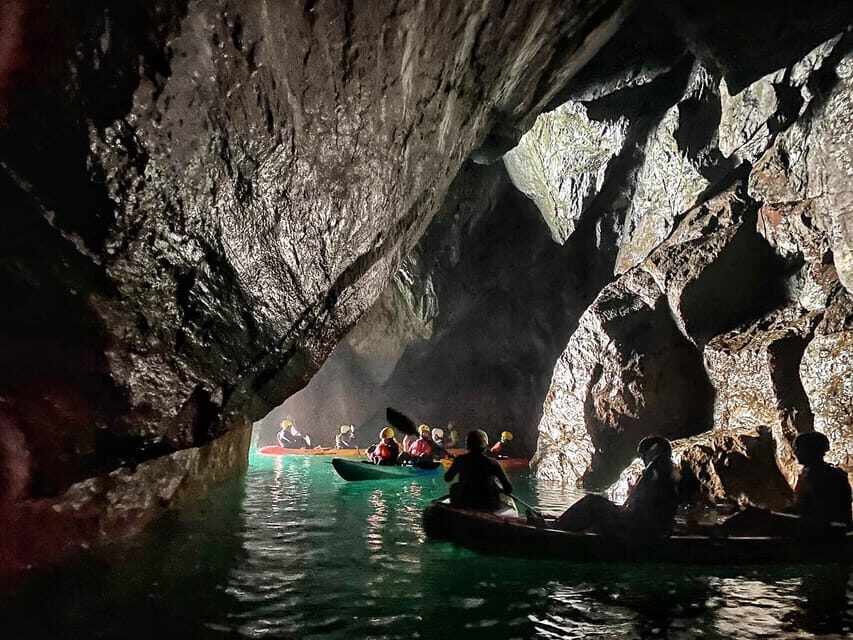
After meeting at the start point, you’ll head to Baginbun Beach. This stop is where the tour focuses on getting you ready, not just getting you moving.
You’ll do a safety briefing before you paddle, and you’ll also get pre-tour sea kayaking tuition included in the experience. That combination matters because it helps you understand how the kayak behaves in real coastal conditions, not just on flat water. You learn the basics of paddling, control, and how to react when the coastline throws you a curve.
What I like about this approach is that it respects the reality of sea caves and rocky coastal features. You’re exploring places with cliffs, cracks, crevasses, and narrow passages, so the briefing isn’t a formality. It’s the difference between feeling like you’re on an adventure and feeling like you’re trying to survive your own hands.
You’ll also see how the guides think. They position themselves so they can manage the group around obstructions and sources of danger. That’s a small thing that makes a huge difference when you’re learning on the water.
Baginbun Head: scenic paddling with wildlife and seascape turns
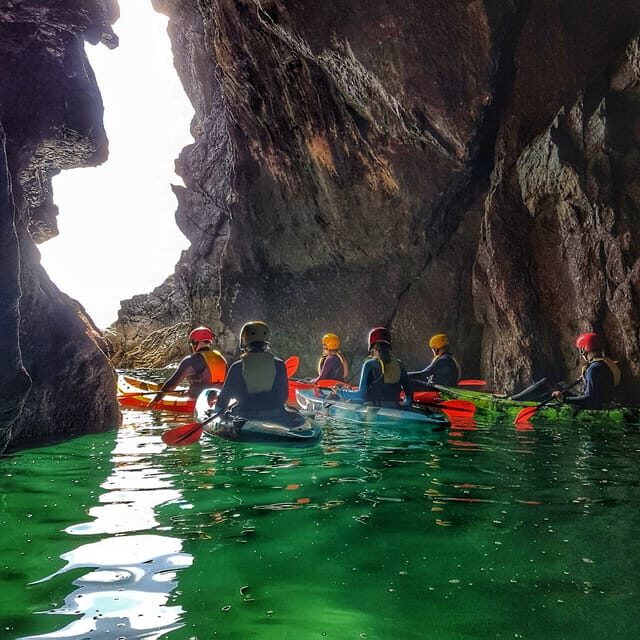
From Baginbun Beach, you move toward Baginbun Head. This part of the route is where the tour turns scenic in a way that still feels purposeful, because you’re paddling along the coastline toward the cave areas.
Expect guided viewpoints on the way, plus more chances to spot marine life. The experience highlights include dolphins and basking sharks, along with sea birds. You’re not guaranteed sightings, but the guide’s role is to help you look in the right direction and at the right moment.
I also like that the guidance isn’t only about scenery. Sea kayaking is physical work, and the best tours help you stay focused on simple tasks: keep your rhythm, watch the guide’s cues, and enjoy what you’re seeing without staring so hard that you forget where your paddle is.
If you’re someone who loves wildlife photography, this is one of the better styles of tour: you’re close enough to notice, but you’re still moving at a human pace that doesn’t force you into chaos. And because the activity includes clear rules like not touching marine life, the vibe stays respectful.
Entering the sea caves and arches: the main event
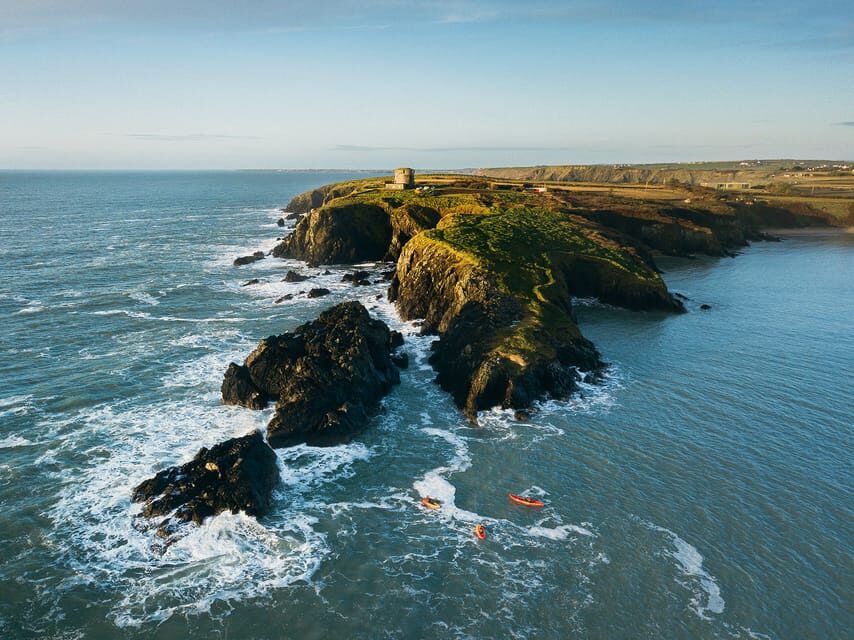
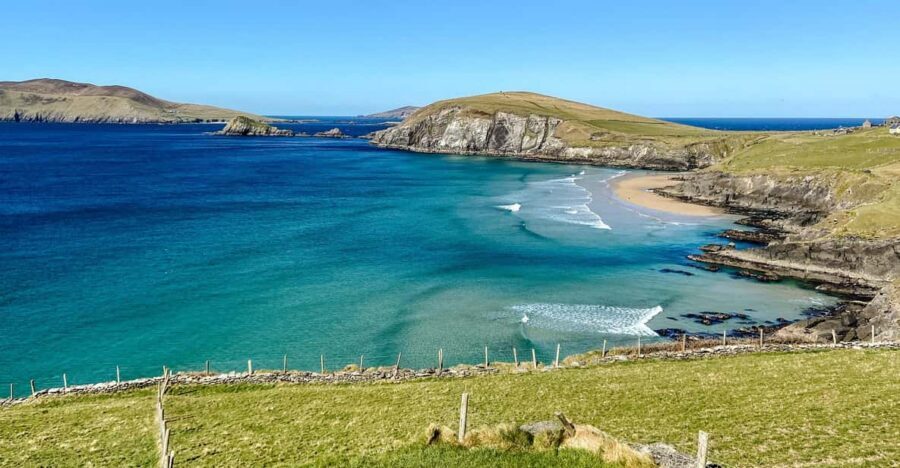
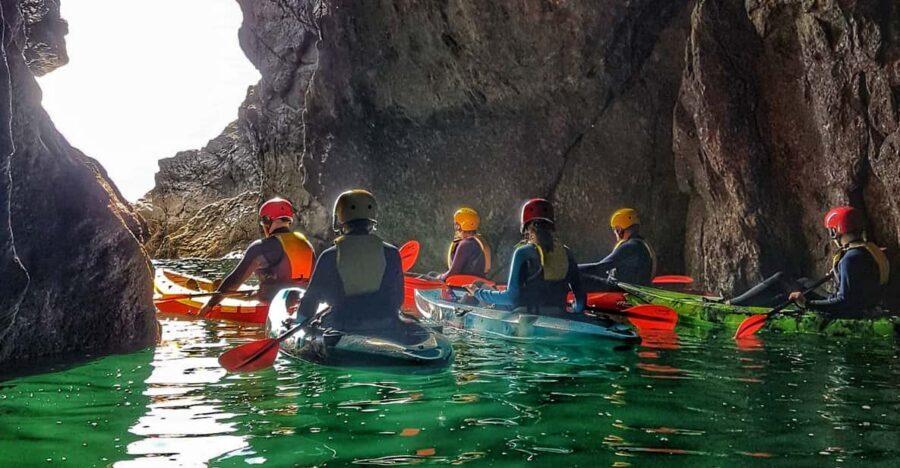
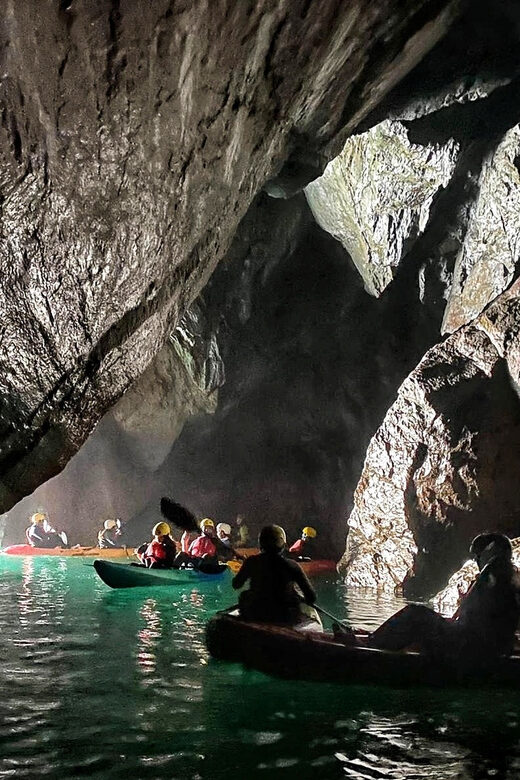
This is why you’re here. The route is built around golden sandy beaches, craggy coves, and a variety of sea caves, arches, and cliff formations. And importantly, the tour includes entering one of the most amazing natural sea caves by kayak.
That’s a different feeling than sightseeing. When you enter a cave under your own power, you understand why people remember this kind of coastline. The scale feels real. The sound changes. You’re surrounded by rock instead of just looking at it from a viewpoint.
Your guide plays a big role here. They keep the group positioned to manage safety around coastal obstacles. That means you’re more likely to experience the caves without getting distracted by worry. It also makes the whole thing smoother for beginners, because you’re not constantly second-guessing your line through a narrow section.
There’s also a story layer to the experience that can turn the scenery into something you carry home. You hear epic stories of battles and invasions that happened exactly where you paddle and stop. Even if you’re not a history buff, hearing the human stakes next to the hard rock coastline creates a powerful sense of place.
Local seals and marine life: seeing wildlife without disrupting it
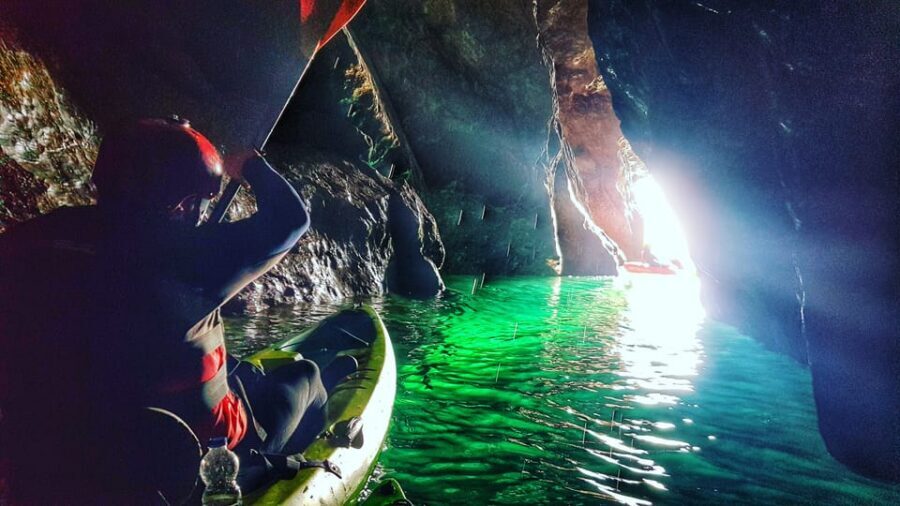
One of the standout claims is that you may see local seals and even watch them tail the kayaks. That’s one of those moments that can feel magical, but the tour keeps it grounded with clear guidelines: you’re not allowed to touch animals, and you’re not allowed to touch marine life.
That rule is not just for conservation. It’s also for your safety and for the seals’ comfort. When wildlife is free to behave naturally, everyone gets a better show.
What’s practical here is that your guide helps you spot wildlife responsibly while still keeping the group moving. You’ll get direction on where to look and when to pause, rather than having people stop abruptly in the water or crowd each other. That keeps the experience organized, even when dolphins or seabirds show up.
If you’re hoping for basking sharks, dolphins, or sea birds, this tour makes sense because it’s designed for this style of wildlife viewing along the Atlantic coast. The key is to keep expectations realistic: you’re exploring a real ocean ecosystem, not a staged attraction.
The hidden cove break and the chocolatey snack boost
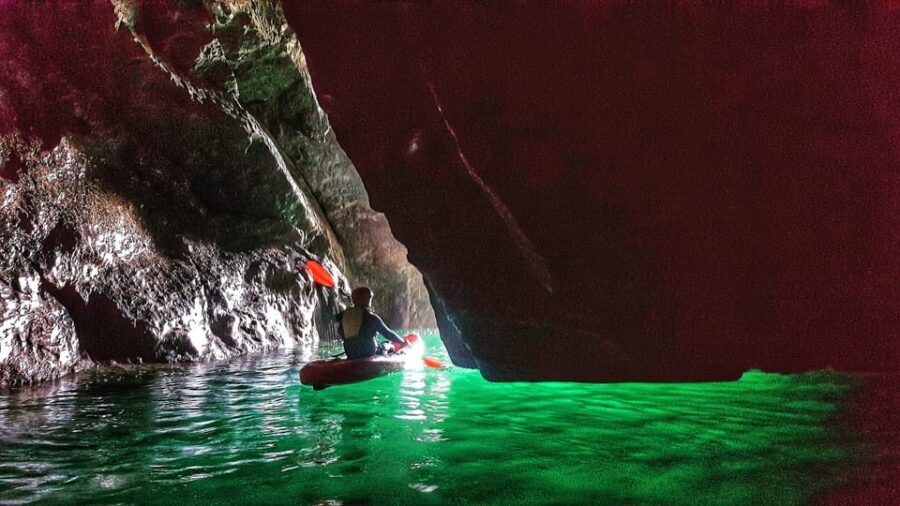
Mid-tour, you get a break for views and a mid-tour chocolatey snack. You’ll also be offered hot chocolate and/or a soft drink. This is a simple addition, but it helps your energy the whole way through, especially when you’ve been paddling steadily.
The snack timing also acts like a reset. You get a chance to regroup, adjust gloves or sleeves, and check that everything you’re wearing is sitting right after time in spray. It’s also a good moment to take photos without rushing.
In the background, your guide continues sharing details about the coastline. That’s where the stories often land hardest—when you’re taking a breath and looking at the cliffs and coves with fresh eyes. You stop seeing sea caves as a checklist and start noticing how the coastline connects to human history.
It’s also nice that the tour doesn’t treat the snack like a gimmick. It’s genuinely useful. A hot drink can make you feel human again, and a chocolatey bite helps you finish the paddle feeling upbeat, not drained.
Price and value: what $96 buys you in real terms
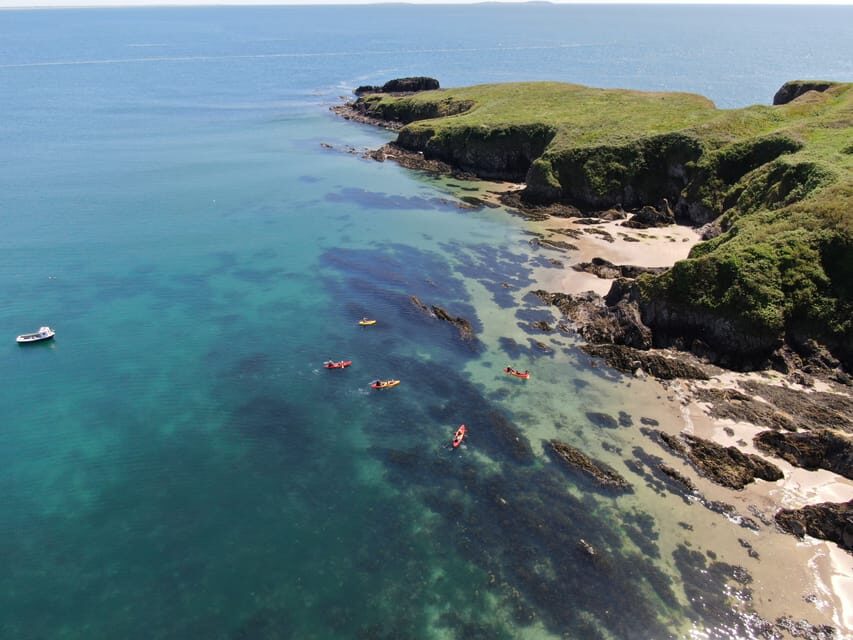
At about $96 per person, this tour sits in the category of active, guided experiences rather than self-guided sightseeing. The value comes from what’s included and what it saves you from figuring out.
You’re paying for: a local kayaking guide, pre-tour sea kayaking tuition, warm full-length wetsuit, all kayaking safety gear and equipment, plus a snack and hot drink. For many people, that single package is worth it. Sea kayaking gear can be confusing if you’re renting bits separately, and a guide’s expertise is what turns “cool idea” into “I safely paddled into a sea cave.”
What is not included matters too. Neoprene booties/footwear, gloves, and waterproof phone cases are available to rent at check-in, but you should budget for them if you don’t already have suitable gear. You might also want rentals like a towel or a waterproof phone setup depending on your comfort.
So the honest way to think about the price is this: you’re buying the full learning + safety system, not just boat time. If you’re new to kayaking or you want a guided route where someone else handles hazards and tells the stories, this price starts to look fair.
What to wear, what to avoid, and the small choices that prevent misery
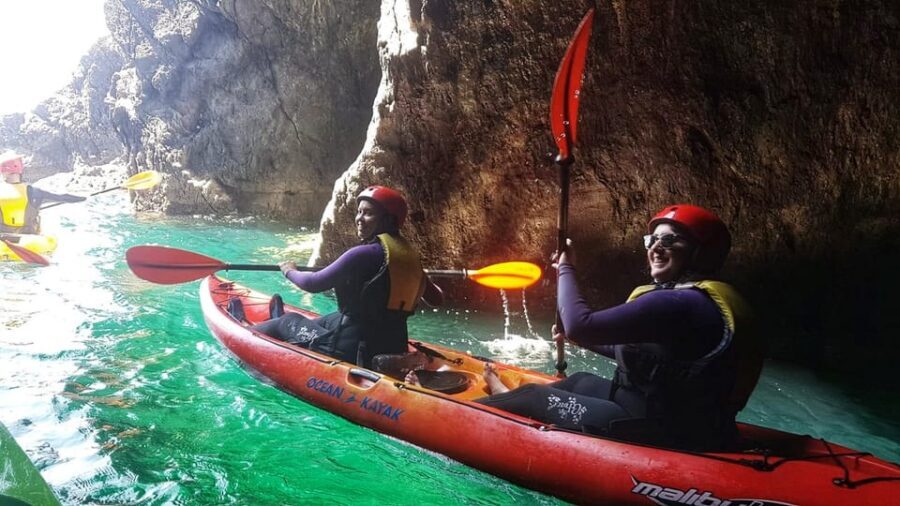
The tour asks you to wear a swimsuit or shorts under your wetsuit. You’ll also want to avoid cotton T-shirts under the wetsuit, since the wrong fabric can get uncomfortable when wet. Nylon is okay.
Plan for the fact that you will get wet. Even with good gear, you’re on the water, near caves, and moving along a coastline where spray happens. Wear footwear you don’t mind getting wet. If you don’t have aqua shoes, ask about rentals—this is one area where being prepared pays off fast.
Sunglasses and sun cream are available to buy, and a bottle of water is also available to buy. That tells you the tour expects you’ll want basic extras on hand, even though the essentials are taken care of. If you run cold easily, consider asking about anything that helps you stay comfortable within the allowed gear.
And one more rule that shapes your packing: no alcohol and no drugs. It’s an activity with safety gear and a real ocean setting, so this is firm—and it’s also part of why the experience feels well-managed.
Who should book this Hook Peninsula tour, and who should skip it
This tour is clearly built for people who can handle active paddling in a natural coastal setting. It’s not suitable for children under 12, people with mobility impairments, and those over 80. There’s also a weight limit of 331 lbs (150 kg).
If you’re an active adult who enjoys guided adventures, this is a strong match. The combination of sea cave entry, wildlife potential, and historical storytelling is a rare mix. You’ll likely enjoy it most if you like doing things, not just watching from land.
If you’re someone who hates sharing space, remember the default is a double kayak with a partner when booking solo. For many people, that’s fine because it’s still one seat and one rhythm with coaching from the guide. But if you want a private kayak experience, you should check the booking options before you commit.
Also consider the touching rules. You won’t be touching animals or marine life, and you should come prepared to view wildlife as wildlife. That’s a plus for conservation and a good fit if you prefer respectful encounters over getting close for photos.
Should you book the sea cave kayaking on the Hook Peninsula?
I think you should book this tour if you want a real sea kayaking experience with safety support, a warm gear setup, and the payoff of entering sea caves by kayak. The guide-led pacing, plus the mix of cliffs, coves, wildlife possibilities, and on-location stories, makes it more than a standard paddle.
Skip it if any part of the limits applies to you, like the age and mobility restrictions, or if sharing a double kayak sounds like a deal-breaker. And if you don’t want to dress for wet conditions, you’ll be happier with a different kind of sightseeing.
If you’re within the recommended range and you’re ready for a guided, hands-on Atlantic adventure, this is one of those trips that tends to stick in your memory for the sound of the cave walls and the way the coast looks once you’re actually inside the scenery.
FAQ
How long is the sea cave kayaking experience?
The experience runs for about 3 hours. Starting times depend on availability.
What’s included in the price?
It includes a seat in a double kayak, a local kayak guide, a warm full-length wetsuit, kayaking safety gear and all equipment, pre-tour sea kayaking tuition, a mid-tour chocolatey snack, and hot chocolate and/or a soft drink.
Do I need to bring my own wetsuit or kayaking gear?
No. The tour provides the wetsuit, equipment, and safety gear. You may need rentals for items like neoprene booties/footwear, gloves, and a waterproof phone case, which are available at check-in.
What should I wear?
Wear a swimsuit or shorts under your wetsuit. Avoid cotton T-shirts under the wetsuit (nylon is OK). Wear footwear you do not mind getting wet, and consider aqua shoes if you do not have suitable footwear.
Is the tour suitable for kids?
It is not suitable for children under 12.
Can I book as a solo traveller?
Yes, but double kayaks are provided as standard. If you book as a solo traveller, you’ll typically share a double kayak with another participant.
What’s the cancellation policy?
You can cancel up to 2 days in advance for a full refund.
If you want, tell me your age range and whether you’re a first-time kayaker, and I’ll help you gauge if the double-kayak setup and wet-gear expectations will feel comfortable.