REVIEW · COBH
The Queenstown Story @ Cobh Heritage Centre , Great Stories of Emigration.
Book on Viator →Operated by Cobh Heritage Trust CLG · Bookable on Viator
Cobh’s Queenstown Story turns a station building into a powerful time machine, walking you through Irish emigration by the sea. You get an easy skip-the-line entry so you can get inside fast and start following the timeline right away.
I love two things most: the way the exhibits feel personal (you’re guided by the name of an emigrant to track through the displays), and how the museum connects Cobh’s port life to the bigger Irish story—Great Famine to Titanic and Lusitania references. It’s also a rare stop where you can learn in quiet, self-paced moments, not just read panels.
One consideration: this experience is built for an independent visit once you’re in. If you want a full, live, stop-by-stop guided lecture, you may still enjoy the displays, but it won’t feel like a traditional guided tour the whole time.
In This Review
- Key Things I’d Bookmark Before You Go
- Entering the Restored Victorian Station at Cobh Heritage Centre
- The Emigration Timeline: What You’ll Follow and How It’s Presented
- The Great Famine Section: Expect Emotion, Not Confusion
- Cobh, the Sea, and the Big Ship Stories: Titanic and Lusitania Connections
- When the Visit Works Best: Time, Pace, and the Flow Through Cobh
- A simple post-museum plan
- Skip-the-Line Entry: The Real Value of Booking Ahead
- On-Site Amenities: Cafe Stops and Gift Shops Without the Rush
- Genealogy Time: How to Get More Out of the Emigration Story
- Price and Value: Is $18.15 a Good Deal?
- Who Should Book This (and Who Might Skip It)
- Should You Book the Queenstown Story at Cobh Heritage Centre?
- FAQ
- How long should I plan for the Queenstown Story visit?
- Is this a guided tour or a self-guided museum visit?
- Where is the meeting point?
- What are the opening hours?
- Is there food or a café on site?
- Is genealogy help available?
- What if my plans change and I need to cancel?
Key Things I’d Bookmark Before You Go

- Skip-the-line entry helps you beat queues at Cobh Heritage Centre, especially useful when you’re on a tight schedule.
- A restored Victorian railway station sets the mood before you even start learning.
- A chronological emigration story starts in the 1600s and follows where Irish emigrants went across centuries.
- Interactive touches include learning Morse code and using different ways to experience the story.
- On-site genealogy support is available, with mention of a genealogy consultant and Ancestry.com access (availability can vary).
- You can take your time—people often spend about 90 to 100 minutes even though 1 to 2 hours is the usual estimate.
Entering the Restored Victorian Station at Cobh Heritage Centre
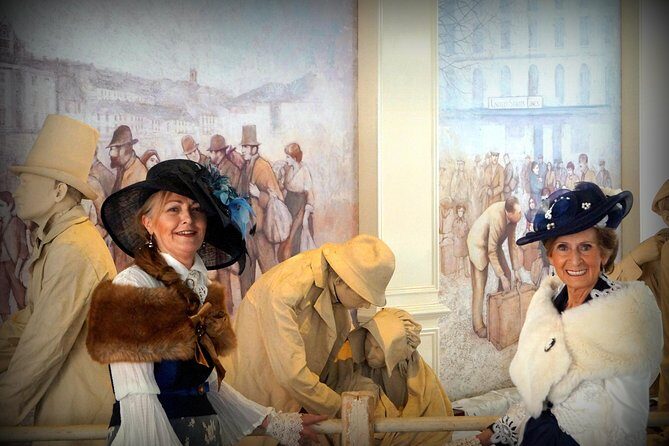
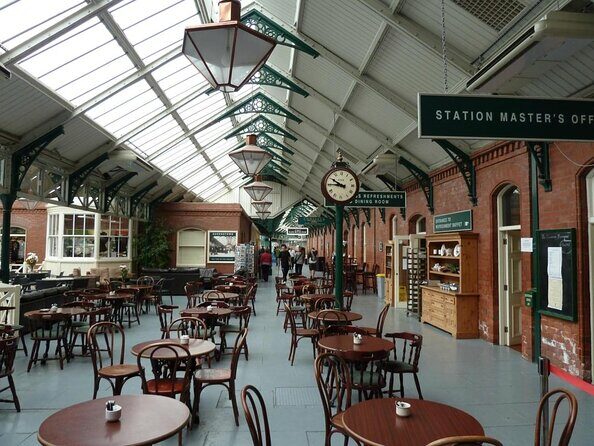
The Queenstown Story starts in a building with its own history. The Cobh Heritage Centre is housed in a restored Victorian railway station, and that matters more than you might expect. Walking in, you feel the sense of “this is where people passed through,” not just “this is where people look at pictures.”
The skip-the-line ticket is the practical win. You’re paying to get straight inside, which is exactly what you want in Cobh—where tours can bunch up around arrivals. Even if the line isn’t huge when you arrive, it’s still a time-saver and reduces that stress-y feeling of waiting while everyone streams in.
Once you’re through the entrance, you settle into a museum route rather than a group wandering shuffle. The experience is set up so you can pause when something hits you, then move on at your own pace.
You can also read our reviews of more historical tours in Cobh


The Emigration Timeline: What You’ll Follow and How It’s Presented
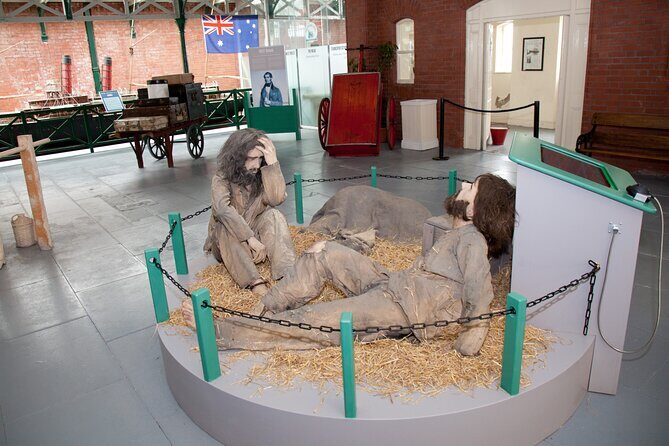
The core of the Queenstown Story is a chronological walk through Irish emigration—starting in the 1600s and moving forward across time. As you move through rooms and displays, you’re not just reading facts. The story is built around the idea of “footsteps,” with an emphasis on the lives of over three million Irish emigrants.
Here’s what’s especially useful for your visit: the museum connects cause to consequence. You see waves of emigration and different reasons people left, which helps if you only associate Irish emigration with one event or one ship.
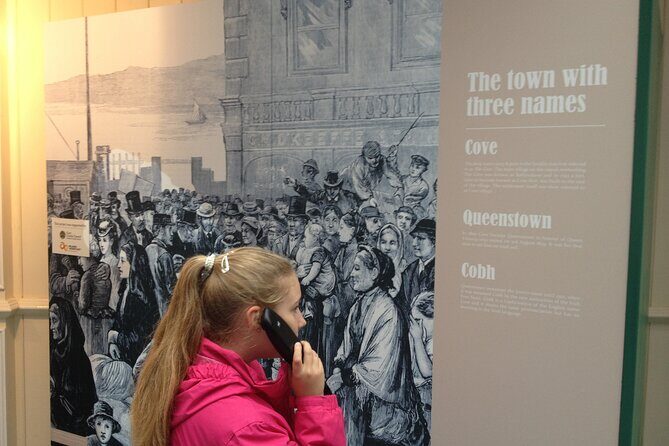
The museum also leans into multiple learning styles. You’ll find sections that use text, listening, and watching, so you’re not stuck staring at panels the whole time. One reviewer described it as a clever interactive approach: you’re given the name of an emigrant to follow through the museum, as if you’re tracking them yourself. Even if you don’t get that exact experience, the design is clearly meant to keep you engaged instead of drifting.
And yes, there are small interactive moments that make the time pass faster than you’d expect. Morse code typing is one example that’s mentioned by visitors—one of those “wait, I can actually do this” bits that breaks up the heavier material.
The Great Famine Section: Expect Emotion, Not Confusion
If you’re visiting Cobh for Titanic links (totally fair), make sure you plan for the section on the Great Famine. It’s not a quick sidebar here. It’s part of the story’s spine, and it’s where the museum shifts from “history facts” to “this was life-changing for families.”
The way it’s presented is important for you as a visitor. The museum doesn’t just throw dates at you. It frames the famine as one of the key struggles tied to emigration. That makes it easier to understand the choices people faced, instead of treating emigration like a simple one-way ticket.
Be ready for a heavier tone. One of the most common reactions in visitor feedback is sadness at seeing the scale of people who left and never returned. If you’re sensitive to that kind of subject, you might want to take breaks—step outside for air or walk along the waterfront after your visit.
Cobh, the Sea, and the Big Ship Stories: Titanic and Lusitania Connections
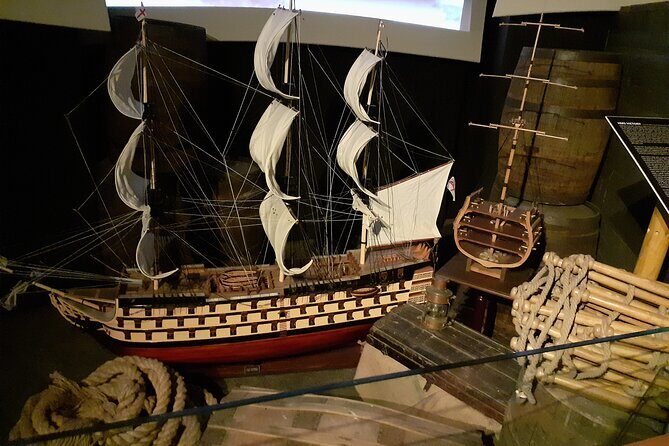
Cobh is the kind of town where maritime history isn’t a theme. It’s the setting. The Queenstown Story places Cobh in Ireland’s maritime and military story, and it specifically connects the port town with Titanic and Lusitania.
For many people, Titanic is the hook that gets them here. The value of this museum is that Titanic is treated as part of a bigger pattern: a port where departures weren’t just about adventure—they were tied to survival, opportunity, and hardship.
If you already plan to visit the Titanic-related sites nearby, this stop is a smart warm-up. It gives you a wider context, so you’re not only seeing ship artifacts in isolation. Instead, you understand the port as a place where Irish lives intersected with world events.
When the Visit Works Best: Time, Pace, and the Flow Through Cobh
The experience is listed as about 1 to 2 hours, and in practice you should aim for 90 minutes if you want a comfortable pace. Some visitors reported spending around 90 to 100 minutes, especially when they weren’t rushed.
What makes that timing work well is the format. You’re doing a self-guided route, but it’s not empty. Displays, audio/listening elements, and interactive bits give your brain something to latch onto. If you’re the type who reads everything, add time. If you skim, you can finish sooner.
One nice practical detail: you can take your time and come back to parts you missed. Visitors say you can stay as long as you want and revisit on the same day, which is great if you’re stopping in before dinner or squeezing this in during a shore day.




A simple post-museum plan
Because the museum is located right on the water and near other attractions, you can turn this into a half-day loop:
- Start at the Heritage Centre
- Then walk onward toward nearby Titanic-related options
- Finish with a stroll through town
This makes the price feel more “real,” because you’re using the museum as your anchor stop rather than treating it like a quick ticket and goodbye.
Skip-the-Line Entry: The Real Value of Booking Ahead
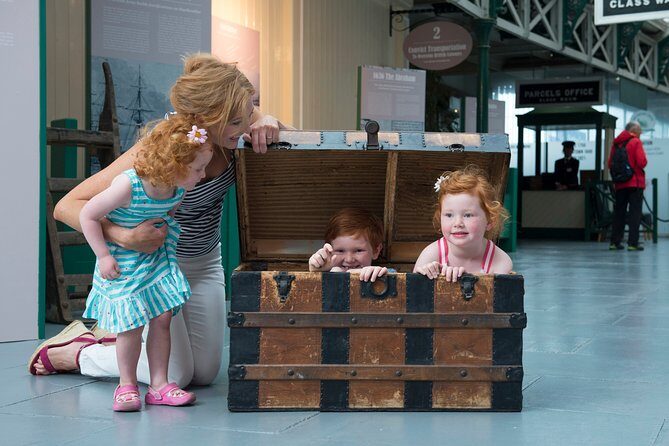
This ticket is designed for quick entry. Even if you don’t think you’ll face a line, skip-the-line is still about friction. It helps you avoid that annoying “where do we stand?” phase and get your time working for you.
That matters most for two groups:
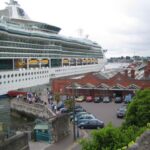
- Cruise passengers: the Heritage Centre is described as extremely close to the ship area—less than about 200 yards in one account. If your shore window is tight, you need certainty.
- People using public transport: the Heritage Centre is within a short walk from the train station (around 4 minutes is mentioned). That makes it easier to connect a train arrival with a museum visit without eating your schedule.
Also, the group cap is up to 40 travelers. Smaller groups usually mean less chaos inside.
On-Site Amenities: Cafe Stops and Gift Shops Without the Rush
You shouldn’t plan your meal inside this ticket price. Food and drinks aren’t included. But there is a café at the Heritage Centre, and visitors mention treats like scones with cream and jam and coffee.
That’s not just a perk. A café stop can help you pace the emotional sections. If you know you’ll want a breather, plan to grab something before you enter the main exhibits or right after you finish.
There’s also a gift shop on site. That’s useful if you want a physical reminder—cards, books, and the kind of souvenirs that actually tie back to what you learned.
And small comfort details count when you’re walking through a museum: visitors comment on clean bathrooms and lots of hand sanitizer around the space.
Genealogy Time: How to Get More Out of the Emigration Story
If you have Irish roots—or you’re just curious about how to trace family movement—this is where the Queenstown Story becomes more than “history.”
Inside, there’s mention of a genealogy consultant and Ancestry.com access. That’s a big deal if you want to move from reading about emigration to starting your own research.
One cautious note: the genealogy desk isn’t guaranteed to be staffed at every moment. If genealogy help is a top goal for you, go when you’re there for long enough to ask questions, and check at the desk on arrival.
Even without staff help, the museum itself gives you a stronger framework. When you understand the waves of emigration and where emigrants went, you’re better equipped to ask sharper questions about your own family.
Price and Value: Is $18.15 a Good Deal?
At $18.15 per person, you’re paying for two things: admission to a carefully designed museum and guaranteed skip-the-line entry.
That price feels fair because:
- The exhibits aren’t limited to one ship. They cover broader emigration, including the Great Famine.
- The museum building is impressive in its own right (a restored station), and the layout supports a full visit.
- You get a self-guided experience, which means you can match pacing to your energy level instead of being stuck with a group timer.
If you’re already in the area—especially if you’re near Titanic-related attractions—this stop also improves your odds of getting more meaning out of the rest of your Cobh day.
If you only have 45 minutes and you hate reading, then the value might feel lower. But for most people doing a shore day, a museum visit that takes 90 minutes and connects multiple parts of Cobh’s story is a solid use of time.
Who Should Book This (and Who Might Skip It)
This experience is a great fit if you want:
- A clear introduction to Irish emigration beyond just one headline
- A museum that uses more than just static text
- Port history with human scale—families, departures, and consequences
- A chance to connect Cobh to Titanic and Lusitania without losing the bigger context
You might skip or reconsider if:
- You strongly prefer a live guide narrating everything step-by-step
- You only want a light, entertainment-style stop and would rather avoid heavy topics like famine and emigration losses
- You’re extremely short on time and can’t comfortably reach that 1 to 2 hour window
Should You Book the Queenstown Story at Cobh Heritage Centre?
Book it if you’re visiting Cobh and want your day to feel grounded in the town itself. The skip-the-line entry is worth it, and the museum’s structure helps you make sense of Irish emigration in a way that’s not overwhelming or scattered.
I’d especially lean toward booking if:
- You’re on a cruise shore day and timing matters
- You care about Titanic-related stories but want the context first
- You might want genealogy guidance and Ancestry.com access
- You enjoy interactive museum elements, like Morse code learning, that keep the visit from going stale
FAQ
How long should I plan for the Queenstown Story visit?
Plan on about 1 to 2 hours. In practice, many people take around 90 to 100 minutes, especially if they read and watch the exhibits at a relaxed pace.
Is this a guided tour or a self-guided museum visit?
It’s set up as an independent museum experience once you’re inside. The ticket is designed for you to enter and explore the Queenstown Story on your own through the exhibits.
Where is the meeting point?
You start at The Queenstown Story @ Cobh Heritage Centre, Deepwater Quay, Ringmeen, Cobh, Co. Cork, P24 CY67, Ireland.
What are the opening hours?
For 2026, it runs daily from 9:30 AM to 4:00 PM.
Is there food or a café on site?
Yes, there’s a café at the Heritage Centre. Food and drinks are not included with the ticket, but visitors mention scones, cream and jam, and coffee.
Is genealogy help available?
There’s a genealogy consultant mentioned inside, along with access to Ancestry.com. If genealogy is a key goal, check at the desk when you arrive.
What if my plans change and I need to cancel?
You can cancel for free up to 24 hours in advance for a full refund. If you cancel less than 24 hours before the start time, you won’t get a refund.