REVIEW · DUBLIN
Dublin: Glendalough, Wicklow, Kilkenny and Sheepdog demonstration
Book on Viator →Operated by Finn McCools Tours · Bookable on Viator
Dublin to Glendalough in one day sounds like a lot, but it works. You get guided stops at Glendalough and Kilkenny plus live sheepdog herding at a working farm, so the day isn’t just ruins and roads. I also like that the coach ride includes on-board commentary, turning travel time into real context instead of dead time.
The main thing to weigh is time: you’re in Kilkenny for about two hours, and Glendalough is flexible, not a guided-only march. If you prefer slow museum-style touring, you may feel a little rushed at the end.
In This Review
- Key Highlights You’ll Feel From the First Hour
- A Coach Day That Actually Replaces the Car Problem
- Price and What You Truly Pay For (and Don’t)
- Meeting at Charlemont House: Timing Starts Early
- The Drive Out of Dublin: From Trinity and Guinness to Wicklow
- Glendalough Monastic Settlement: Guided Start, Then Your Own Pace
- Wicklow Mountains National Park and Wicklow Gap: A Short Stop With View Power
- Ballybought Sheepdog Demonstration: Why This Stop Hits So Hard
- Kilkenny in About Two Hours: Medieval Streets, Castle Options, and Quick Decisions
- What the Best Guides Do: Timing, Humor, and Clear Next Steps
- How Much Walking Is Realistic, and Who Should Pass
- So, Should You Book This Dublin to Glendalough and Kilkenny Tour?
- FAQ
- Where does the tour start and what time?
- Is hotel pickup or drop-off included?
- What is included in the ticket price?
- Do I need to pay for attractions at the stops?
- How long are the main stops?
- What if weather is bad or the tour is canceled?
Key Highlights You’ll Feel From the First Hour
- Smooth Dublin-to-country drive with story-led commentary so the scenery means something.
- Glendalough Monastic Settlement with guided orientation, then freedom to roam at your pace.
- Wicklow Gap viewpoint: a quick mountain stop with wide Dublin-bay views when weather cooperates.
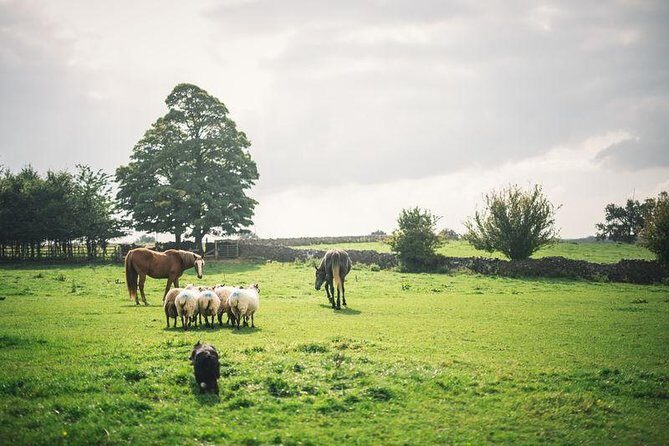
- Sheepdog demonstration (working farm style) instead of a staged show.
- Kilkenny’s medieval center in roughly two hours, with the option to target castle sights.
- Small-to-midsize groups (up to 53) on an air-conditioned coach.
A Coach Day That Actually Replaces the Car Problem
This tour is built for one simple goal: get you out of Dublin traffic and into Ireland’s countryside without doing the driving math. For a day trip, the routing is ambitious, but it makes sense. You’re not trying to cram in five cities; you’re hitting three places with a clear theme—monastic Glendalough, mountain Wicklow, and medieval Kilkenny—with a working-farm stop in the middle.
The format also matters. You get a guide, but you’re not trapped inside a lecture hall. You’ll start with a proper orientation, then you’re given time to walk, look, and decide what you want to see up close. That balance is why this feels like a day you control, not a schedule you suffer through.
And yes, the sheepdog part is real money’s worth. It’s the rare stop where you can see expertise in action—dogs working with their handler, sheep moving with intent, and you picking up why this matters in Irish farming. If you’re into animals, it’s genuinely different from the usual tourist petting-zoo routine.
You can also read our reviews of more tours and experiences in Dublin.

Price and What You Truly Pay For (and Don’t)
At $45.95 per person, this is a budget-friendly way to see serious variety close to Dublin. You’re paying for transportation, a professional guide, and live commentary during the drive. The vehicle is air-conditioned, which matters on a long day and on those days when Irish weather changes its mind every hour.
What you’re not paying for is also important. Food and drinks are not included, so bring a packed lunch or plan to buy something on-site when you arrive (there can be food options near Glendalough, depending on the day). Also, there’s no hotel pickup and drop-off, so you’ll start and end at the main meeting point in Dublin.
The overall value is strong if you want guided context plus real stops, without paying for extra car rentals, fuel, parking stress, and the time lost in driving logistics.
Meeting at Charlemont House: Timing Starts Early
The tour meets at Hugh Lane Gallery, Charlemont House, Parnell Square North (Dublin 1). The start time is 8:00 am, and the day runs until about 6:00 pm when you return.
This early start is part of the strategy. You’ll be leaving Dublin while the city still feels manageable, and you’ll reach the countryside before the light shifts too far. It also means you should be ready to go when the coach arrives. One practical note: if you’re late, they won’t wait, even if you call.
You’ll also be happier if you plan for the weather. Wear comfortable shoes and bring a rainproof jacket. Glendalough and the area around the monastic ruins can be damp underfoot, and that’s not a thing you want to improvise in.
The Drive Out of Dublin: From Trinity and Guinness to Wicklow
The bus ride isn’t filler. It’s guided travel, and it helps you see Ireland as more than a list of stops.
You’ll pass through Dublin’s core landmarks early, including Trinity College and the Temple Bar area as you head out. Then the route follows the River Liffey, where you can spot the Guinness Brewery, and it continues toward Kilmainham, where the Viking settlers buried their dead.
After Dublin, the scenery shifts fast—from city grey to the green roads of Wicklow. The guide’s onboard commentary makes that change feel meaningful, like you’re watching a geography lesson unfold through real streets.
Glendalough Monastic Settlement: Guided Start, Then Your Own Pace
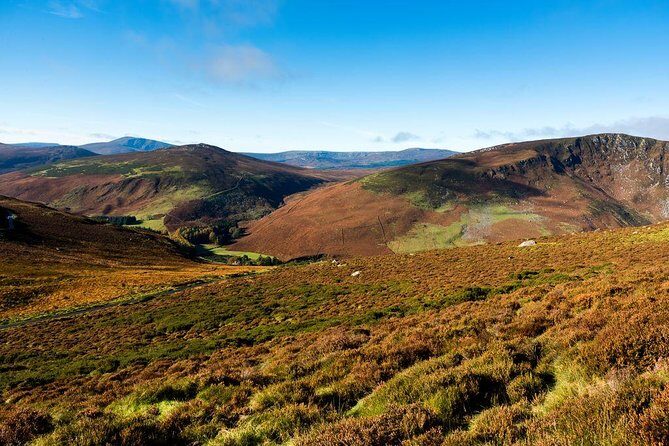
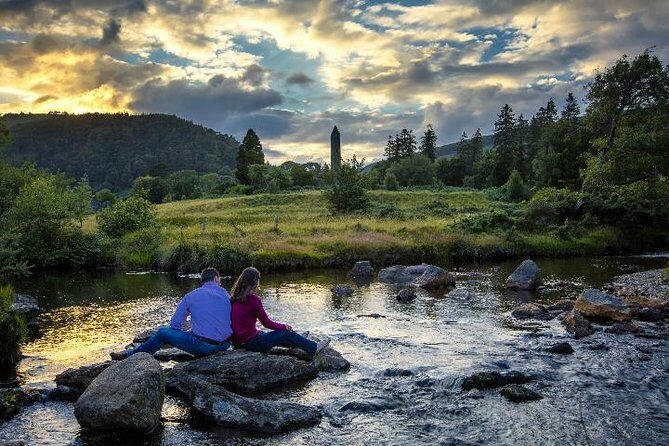
Glendalough is often described as beautiful and quiet for a reason. It’s known as the Valley of Two Lakes, and it feels like a place meant for walking slowly. You’ll begin with a walking tour with your guide that focuses on the old monastic city and why it mattered.
What’s especially useful here is the orientation. Your guide points out the core features, then you get plenty of free time to explore on your own. That free time is where Glendalough really works for most people: you can stick to the main ruins or choose to hike a bit farther.
From what’s shared by guides and experienced visitors, one popular choice during free time is a hike toward the upper lake and waterfall, sometimes described as about two miles round trip. If you’re fit and the trails are safe, it’s the kind of walk that turns a good stop into a standout memory.
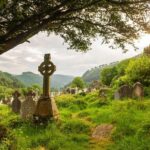
You’ll also want to pay attention to the small details the guide flags. The ruins include the Round Tower and the wish granting Cross of St Kevin, and those names mean more once you’ve heard the context.
Glendalough is typically timed for about two hours, and admission to the monastic settlement stop is free on this tour.
Wicklow Mountains National Park and Wicklow Gap: A Short Stop With View Power
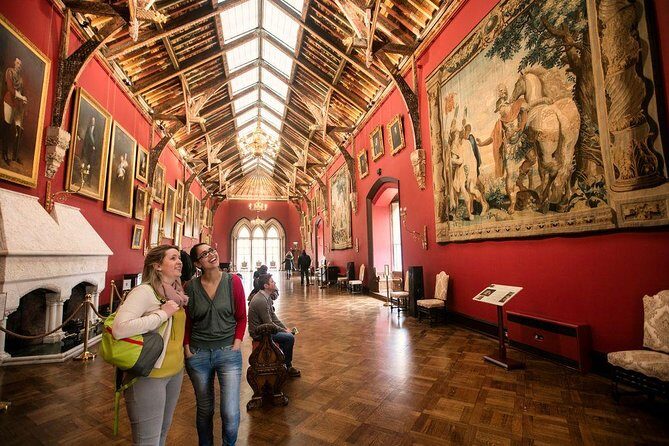
After Glendalough, you’ll head toward Wicklow Mountains National Park. The tour doesn’t turn this into a long hiking day, which is smart for a tour that also needs to reach Kilkenny later.
You’ll make a short stop at the top of Wicklow Gap, a mountain pass with big views down toward Dublin Bay. There’s a viewing platform, and even if the weather turns foggy, the feeling of Wicklow’s open wildness still comes through.
This is a short pause (about 15 minutes). That brevity is worth noting. You’re not there long enough to do a long walk, but you are there long enough to breathe, take photos, and reset your eyes after the monastic site.
Admission is free for this viewpoint stop.
Ballybought Sheepdog Demonstration: Why This Stop Hits So Hard
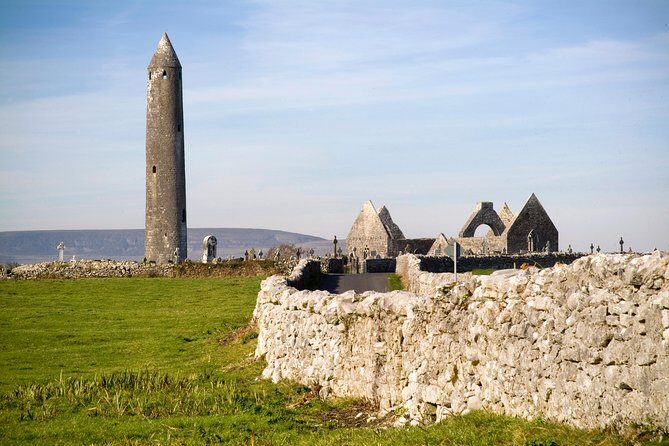
If there’s one part this day trip gets praised for again and again, it’s the sheepdog demonstration. This isn’t just a show for clicks. It’s presented as working herding—how sheepdogs and a shepherd cooperate, how control happens, and what skill looks like when it’s actually needed.
The stop happens at an Irish farm setting called Ballybought, where you’ll watch a shepherd and a well-trained team of sheepdogs. The demonstration is about 45 minutes, which is a sweet spot: long enough to follow the sequence, short enough to keep energy high for the last leg of the day.
You’ll also learn why sheep farming matters in Ireland, including the long history of agriculture and the practical role of wool and sheep. And because it’s a live working demonstration, the dogs’ movements feel purposeful rather than choreographed.
If you’re deciding whether this tour is worth it, I’d base part of your decision on this stop. People who care about animals, rural life, or just something different from castles usually leave smiling at this exact moment.
Kilkenny in About Two Hours: Medieval Streets, Castle Options, and Quick Decisions
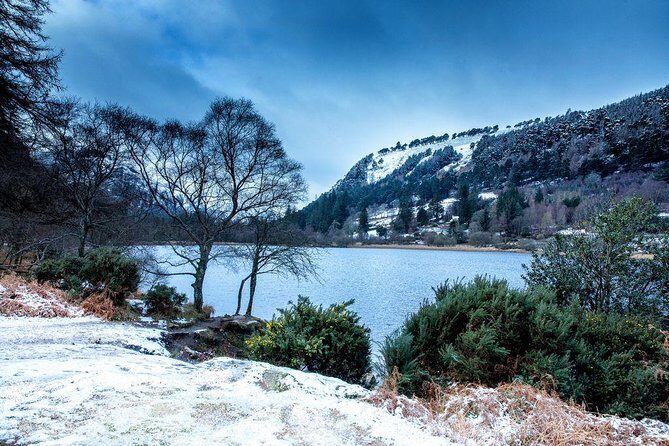
Your final major stop is Kilkenny, timed for around two hours. That’s not enough time to do everything. It is enough time to do something well: wander the medieval streets, pick a single major attraction (or two at most), and soak in the feel of a city that evolved slowly.
Kilkenny is known for preserved medieval architecture, and it shows up the moment you start walking. You’ll be dropped in a central area where the “choose your own route” style makes sense. One common approach is to stroll along the narrow lanes for the sights first, then focus on a castle stop second.
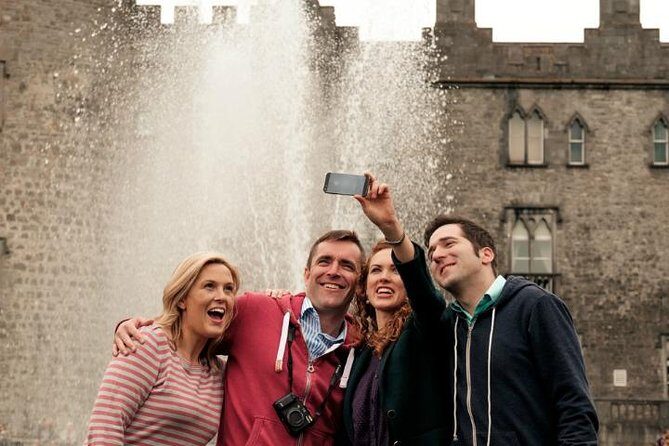
This tour’s guidance also points out options linked to Kilkenny Castle Park. You may see gardens and even a film about the history for free, while a guided tour of the castle itself may cost extra on your own.
There are also fun, specific storyline ideas you can pursue if you like atmosphere. The tour context mentions the arrival of Gunpowder as a dramatic marker in Kilkenny’s castle story. It also points out the haunted pub angle and something called a Witch Trail connected with early witchcraft stories in Ireland. If you want modern-day breaks, there’s mention of a local brewery option and the chance to grab coffee after you do a bit of walking.
Two hours goes quickly. If you’re the type who loves castles, prioritize one key site and don’t try to sprint across the whole city. If you’re more of a street-walker, follow your curiosity and aim to come back to one anchor point.
What the Best Guides Do: Timing, Humor, and Clear Next Steps
The guide quality is a big reason this tour has such strong ratings. Across different runs, names like Dylan, Ollie, Carol, Gina, Quiggs, and Deianey show up in people’s experiences, and they share a common pattern: friendly delivery, practical directions, and a mix of facts and humor.
In the best versions of the day, the guide keeps the group moving without feeling rushed. They also help you remember which bus to board later (one guide used a visible system on the dashboard), and they set expectations clearly at each stop so you know how long you have and what’s most important.
That matters because this day has multiple “go now, explore now, return at the right time” moments. When guidance is sharp, you feel relaxed even though you’re moving.
How Much Walking Is Realistic, and Who Should Pass
This is a day trip with walking involved. Glendalough includes time to explore the monastic settlement and you may decide to do extra trail walking depending on your interests and energy.
The tour is not recommended for small children unless they’re very used to bus tours and walking and you plan properly for child seating. It also isn’t recommended for people with walking disabilities, back problems, heart complaints, pregnancy, or other serious medical conditions.
You don’t need Olympic fitness, but you do need moderate physical comfort with uneven terrain and a full day away from a seat.
If you have any mobility concerns, consider whether the freedom time means you can stay on easier paths. If not, you may want a slower option with fewer transfers.
So, Should You Book This Dublin to Glendalough and Kilkenny Tour?
I’d book it if you want one day that feels like multiple parts of Ireland—monastic ruins, mountain viewpoints, rural life, and medieval city wandering—without renting a car. The value is strongest when you like guided context but still want time to choose your own pace at the big stops.
I would skip it if you hate coach schedules, need lots of time in museums, or want a long guided experience at every location with no free-roam. Also, if you know you’ll feel uncomfortable with walking on uneven ground, the Glendalough portion might not match your needs.
FAQ
Where does the tour start and what time?
It starts at Hugh Lane Gallery, Charlemont House, Parnell Square N, Dublin 1. The start time is 8:00 am.
Is hotel pickup or drop-off included?
No. There’s no hotel pickup and drop-off. The tour starts and ends back at the meeting point in Dublin.
What is included in the ticket price?
The ticket includes a professional guide, live commentary on board, and an air-conditioned vehicle.
Do I need to pay for attractions at the stops?
Some parts are free on this tour. Glendalough Monastic Settlement and the Wicklow Gap viewing stop are listed as free. At Kilkenny Castle Park, you can enjoy gardens and a film for free, while a guided tour of Kilkenny Castle may be available for an own expense cost.
How long are the main stops?
Glendalough is about two hours, Wicklow Gap is about 15 minutes, the sheepdog demonstration runs about 45 minutes, and Kilkenny is about two hours.
What if weather is bad or the tour is canceled?
This tour requires good weather. If it’s canceled due to poor weather, you’ll be offered a different date or a full refund.