REVIEW · CORK
Toe Head Clifftop Hike in West Cork
Book on Viator →Operated by Gormú · Bookable on Viator
Toe Head is the kind of walk that makes you slow down. This small-group clifftop hike in West Cork mixes easy coastal walking with sharp local storytelling from guide Conor, plus stops that most people miss. I love the focus on history-and-views timing: short breaks for photos and stories instead of a slog. I also like that you get light snacks and water built into the experience, so you can actually enjoy the day. One thing to plan for: you need decent weather, because the route is outdoors and the tour may be rescheduled or refunded if conditions are poor.
You’ll cover about 7km at a very easy pace over roughly 2 hours 45 minutes, with plenty of stops. The group stays capped at 10 people, which keeps conversations real and makes the viewpoints feel bigger. Conor leads in English and brings the places to life with folklore, language, and local details as you go.
In This Review
- Key Highlights You’ll Remember From This Toe Head Hike
- Toe Head Clifftop Hike: What Makes This Walk Worth Your Time
- The 7km Pace: How Easy Does the Hike Really Feel?
- Starting at Toe Head Coast Guard Station: Your Morning Game Plan
- Traigh Liceach Finish: Beach Battlefield Stories and WWI Submarine Detail
- Móin Rua Heathland and Wild Orchids: When Nature Takes Over
- Deserted Famine Village: The Coast With Real Human Weight
- Iron Age Promontory Fort: A Secret-Like Viewpoint You’ll Actually Care About
- Wild Atlantic Way Shortcuts, Cnoc na nGabhar, and the EIRE Sign
- Included Snacks, Water, and the Pack-Light Philosophy
- Small Group Size: Why Capped at 10 People Changes the Feel
- Price and Value: Is $60.07 Worth It?
- Weather Matters: When to Be Flexible
- Who This Hike Is For (And Who Might Prefer Something Else)
- Should You Book the Toe Head Clifftop Hike?
- FAQ
- Where does the Toe Head clifftop hike start?
- What time does the tour start?
- How long is the hike?
- How far do you walk?
- How difficult is the route?
- How big is the group?
- What’s included during the hike?
- What language is the tour offered in?
- What happens if the weather is poor?
- Is there a cancellation window?
Key Highlights You’ll Remember From This Toe Head Hike
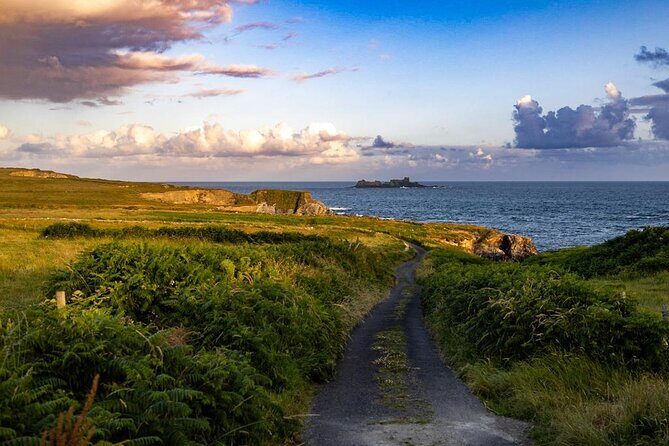
- Only 10 people max, so the hike feels sociable instead of crowded
- 7km, very easy pace, with frequent short stops for photos and stories
- Wild orchid country at Móin Rua heathland
- A deserted famine village stop that adds real weight to the coastline views
- An Iron Age promontory fort with local-only knowledge
- A finish at Tráigh Liceach, tied to battle history and WWI submarine activity
Toe Head Clifftop Hike: What Makes This Walk Worth Your Time
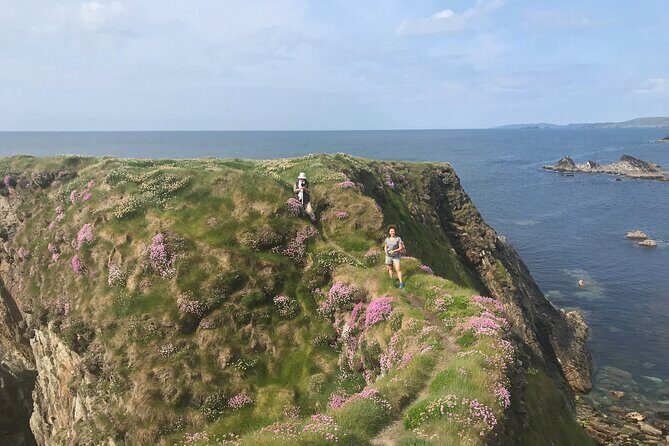
This hike is built for people who want the coast, but not the chaos. Instead of long stretches of nonstop walking, you get a steady rhythm of walking plus mini-stops, where Conor explains what you’re seeing and why it matters. That small-group cap matters, too, because you’re not constantly stepping aside for strangers at every viewpoint.
What I like most for real-world value is the balance. You’re getting big scenery, but it’s paired with specific stops: an Iron Age promontory fort, a heathland known for wild orchids, and even an EIRE sign you can actually work into the photo plan. It’s a lot of variety in a hike that stays easy.
One practical tip right up front: pack light. You’re given light snacks and water, so you don’t need to bring a full picnic load. The goal is to move comfortably and keep your hands free for photos and head-up sightseeing.
You can also read our reviews of more tours and experiences in Cork.


The 7km Pace: How Easy Does the Hike Really Feel?
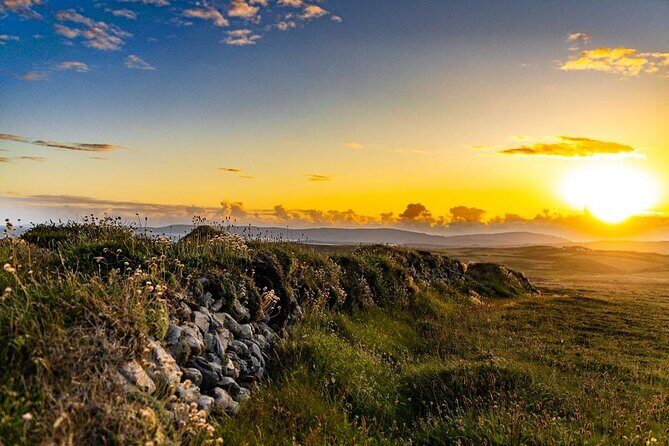
The walking distance is about 7km, and the pace is described as very easy and fun for hikers of all abilities. You also get lots of short stops for photos and stories, which naturally breaks up the route so you never feel like you’re stuck in one long grind.
In plain terms, you should see this as a guided stroll with clifftop payoff. If you can handle a couple of hours of moderate walking at an easy tempo, you’re in the right category. The hike does require moderate physical fitness—so think comfortable on uneven ground and coastal terrain, not “easy on flat sidewalks.”
The hike is also designed for attention. If you’re the type of person who likes to know what you’re looking at (a fort’s role, a coastline’s war-time story, a heathland’s orchid season significance), this pace supports that. If you only want to cover distance fast, the frequent pauses may feel slow, even though the pace is easy.
Starting at Toe Head Coast Guard Station: Your Morning Game Plan
You’ll start at the Toe Head Coast Guard Station near Bawnishall, Co. Cork, with the tour starting at 9:00 am. Ending back at the same meeting point keeps things simple: no complicated transport shuffles after you’re tired and out of daylight.
This is one of those starts where you should show up a few minutes early. Not for logistics drama, just so you can get oriented, use the time for quick questions, and settle your gear before the first walk section begins.
Also, bring a mindset shift. The tour isn’t just point A to point B; it’s a chain of named features. That means the best photos happen when you’re ready to stop, listen, and then move again. I’d rather you show up with comfortable shoes and a relaxed schedule than with a tight plan to race ahead.
Traigh Liceach Finish: Beach Battlefield Stories and WWI Submarine Detail
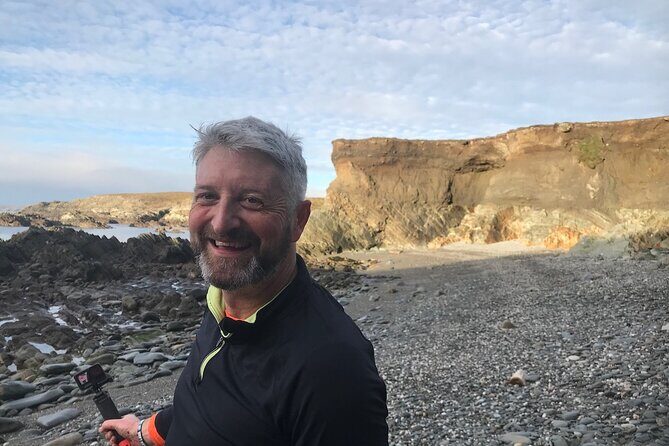
You’ll spend time at Traigh Liceach as both a dramatic point of view and the emotional close of the hike. This beach is described as a battlefield, and Conor shares stories connected to WWI submarine activity along this coastline.
Even if you’re not a military history person, this stop can change how you see the coast. It reminds you that cliffs and beaches aren’t just scenic. They’re also places where real events happened, and the shoreline can carry meaning long after the conflict is gone.
The finish here also makes practical sense. By the time you reach Traigh Liceach, you’ve walked the route, so the beach time feels like a reward, not another chore. It’s also a good moment to slow down for photos, then end your hike with a final listening session before you head back.
Móin Rua Heathland and Wild Orchids: When Nature Takes Over
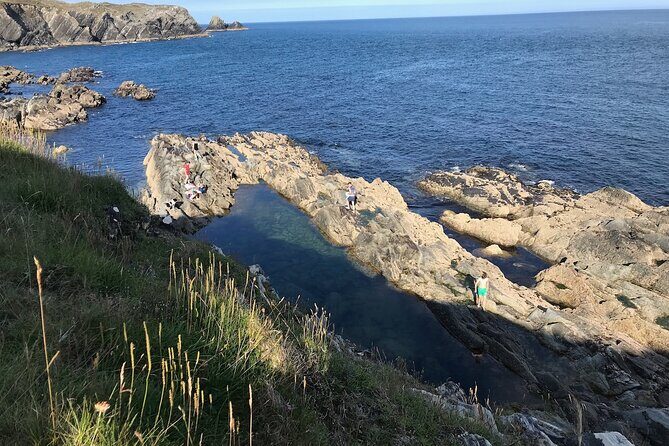
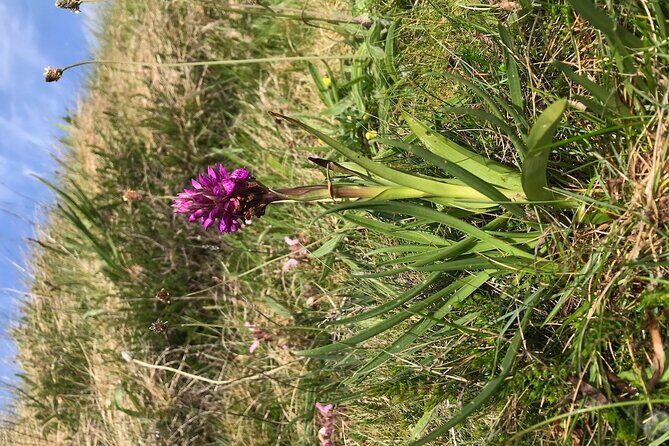
One of the most distinctive elements is the Móin Rua heathland, noted for wild orchids. This is the kind of stop that works best when you’re paying attention to small things. Heathland often has a quieter, textured feel compared to cliff edges, and orchids (when present) turn “plain” ground into something worth bending down for.
The tour’s format helps here: short stops for stories and photos. That’s useful because you’re not rushing past an area where the interesting detail might be low to the ground or easy to miss if you’re only looking outward.
A note to keep expectations realistic: the exact orchid show isn’t guaranteed in the data you provided, so treat orchids as part of the area’s reputation rather than a promise. The hike still delivers big scenery, and the heathland stop adds contrast to the clifftop walking.




Deserted Famine Village: The Coast With Real Human Weight
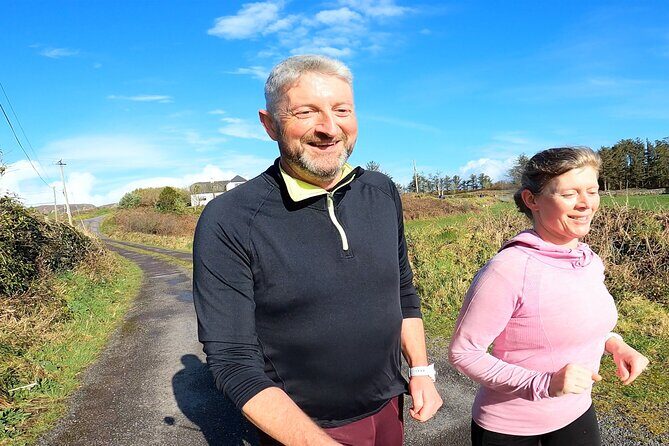
The hike includes a deserted famine village, and that’s one of the reasons the day feels more meaningful than just a scenic loop. Coastal hikes can sometimes stay purely visual. Here, you’re guided to connect scenery to lives that were shaped by hardship.
This stop also breaks the pattern of “view, photo, move on.” You’re likely to linger more mentally than physically because Conor’s storytelling adds context to what the site represents. That’s one of the most praised elements of the hike: the way history and folklore are tied to the exact place you’re standing.
The only drawback is emotional. If you prefer purely light entertainment on your trips, a famine village stop can feel heavy. But if you’re open to learning and respectful context, it’s exactly the kind of detail that makes West Cork feel like more than scenery.
Iron Age Promontory Fort: A Secret-Like Viewpoint You’ll Actually Care About
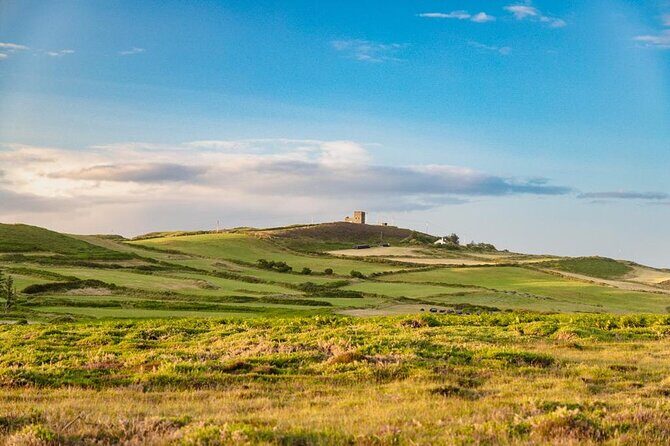
You’ll see an Iron Age promontory fort on the route, and the description points to a “secret” aspect known only to locals. Whether you interpret that as a hidden vantage point or a local way of reading the land, it’s the right kind of detail for a small-group hike.
Fortifications are especially interesting on coasts because the terrain does the work. You can understand strategy just by walking a few meters and noticing sightlines, sheltered ground, and how cliffs shape movement. Conor’s role here is to connect the dots so you don’t just see stones or earthworks—you understand why the site was chosen.
This is also a place where the small group helps. You want enough space to look around and enough quiet to hear the explanation. With a group capped at 10, that’s more likely than in larger tours where everyone funnels through at once.
Wild Atlantic Way Shortcuts, Cnoc na nGabhar, and the EIRE Sign
Part of the fun is the sense of taking lesser-seen parts of the Wild Atlantic Way. That phrase matters because it signals you’re not just repeating the most obvious photo stops. Instead, you’re walking to a set of named features that make the coastline feel personal.
Along the way, you’ll also see:
- Cnoc na nGabhar, a mountain named as part of what you’ll encounter on the route
- An EIRE sign, worked into the hike experience as a recognizable photo moment
- Secret trails along the Wild Atlantic Way, described as along the way
You don’t need to be an expert to enjoy this section. The key is that Conor ties each feature to the walking route so it feels like you’re gradually learning the coastline rather than checking boxes.
One practical thought: signs and viewpoints mean “photo-ready time.” Wear the kind of shoes you’re happy to stand in for a few minutes. You’ll likely stop more than you expect because the day is designed for photos and stories, not speed.
Included Snacks, Water, and the Pack-Light Philosophy
The hike includes light snacks and water, and the advice is to pack light. That’s a small detail, but it affects the whole experience. When you’re not hauling a big bag, you’re freer to move, take photos without juggling gear, and stay comfortable on uneven ground.
I also suggest you bring a layer even if it’s sunny. West Cork weather can shift quickly, and since the tour runs only when conditions are right, you’ll be glad you’re prepared when the wind picks up near the clifftop.
If you have dietary restrictions, the tour data doesn’t specify options. Because that isn’t clarified, I’d plan to be flexible with what you’re provided, and if you need something specific, bring a small backup snack of your own.
Small Group Size: Why Capped at 10 People Changes the Feel
A maximum group size of 10 is a huge quality lever here. It keeps the walking flow from turning into a slow-moving line of strangers. It also means there’s room for questions to land naturally.
The guide, Conor, is repeatedly praised for answering questions during the hike and for the way he connects history, language, folklore, and landscape detail. That kind of guidance works best when the group isn’t too large to hear each other.
It also changes how the day feels at viewpoints. With fewer people, you get more quiet moments—those short stretches where you can actually absorb the coastline without constantly negotiating crowd positions.
Price and Value: Is $60.07 Worth It?
At $60.07 per person for about 2 hours 45 minutes, this is priced like a guided experience that focuses on quality over volume. For your money, you’re paying for:
- A small group capped at 10
- A guide who ties together the route with specific local storytelling
- An easy 7km hike across multiple distinct sites
- Light snacks and water included
- A route that covers more than one “kind” of attraction, from fort to famine village to beach
If you’ve ever done a cheap tour that mainly moves you from stop to stop without context, you’ll appreciate the value here. The cost doesn’t buy luxury. It buys time with a person who knows how to turn place names into meaning.
The only time the value might not fit you is if you prefer a self-guided hike with zero talking. This is clearly a guided format with stories as part of the package.
Weather Matters: When to Be Flexible
This hike requires good weather, and if it’s canceled due to poor weather you’ll be offered another date or a full refund. That’s important, because coastal routes can get slippery or unsafe when wind and rain move in.
If you’re planning a tight itinerary, keep some breathing room. West Cork tends to be the kind of destination where weather can shift your day, so a flexible slot is smart.
Who This Hike Is For (And Who Might Prefer Something Else)
This tour fits best if you want:
- An easy-paced guided hike with stops and stories
- A small group atmosphere
- Places that mix natural beauty with history and folklore
- A meaningful ending at a beach tied to real events
It may be less ideal if you only want maximum physical challenge or if you prefer to walk without guided context. The hike is built for enjoyment, not exertion.
Should You Book the Toe Head Clifftop Hike?
I’d book it if you’re going to West Cork and you want one guided walk that covers multiple standout stops without requiring advanced hiking skills. The combination of an easy 7km pace, small group size, and storytelling around specific sites (from an Iron Age fort to a deserted famine village and finally Traigh Liceach) is exactly the kind of day that sticks with you.
Book it a bit earlier if you can. The hike is often booked around 53 days in advance on average, so popular dates can fill.
If you like your travel with both fresh air and context, Toe Head is a strong choice. If you’re chasing only scenic views and want silence, you might want a self-guided coastal route instead.
FAQ
Where does the Toe Head clifftop hike start?
The hike starts at the Toe Head Coast Guard Station on Unnamed Rd, Co. Bawnishall, Co. Cork, Ireland.
What time does the tour start?
The start time is 9:00 am.
How long is the hike?
The duration is about 2 hours 45 minutes.
How far do you walk?
You’ll hike about 7km.
How difficult is the route?
The pace is described as very easy, and it’s suitable for hikers with a moderate physical fitness level.
How big is the group?
The tour caps at a maximum of 10 travelers.
What’s included during the hike?
You’ll have light snacks and water provided.
What language is the tour offered in?
The tour is offered in English.
What happens if the weather is poor?
The experience requires good weather. If it’s canceled due to poor weather, you’ll be offered a different date or a full refund.
Is there a cancellation window?
You can cancel up to 24 hours before the experience starts for a full refund.